 View notices
Comic Con becomes the laboratory for African esports commercialisation
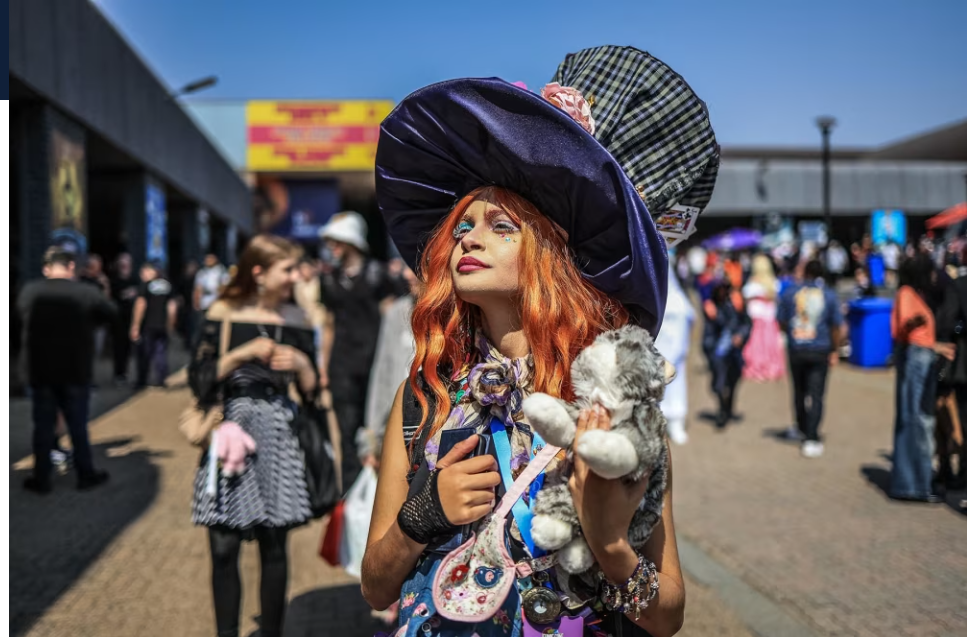
Telkom VS Gaming is bringing more than another esports tournament to Comic Con Africa this year. Alongside a growing competitive slate that now includes Tekken and PUBG, the platform is taking its Next Gen Squad Cosplay Competition onto the event's main stage on 26 September, with fans dressing as characters including S-Tech, Vibey Val, Mobile Mo and Lucky Lou – part of a deeper commercial strategy built around existing gaming communities rather than simple sponsorship, Nqobile Ndlovu writes for Hollywoodbets' Sports Blog.
The activation points to a wider question facing South African sport: how to reach younger, especially Gen Z, audiences who move fluidly between football, gaming, streaming, anime and collectibles, rather than treating them as separate markets.
Africa's gaming sector was worth an estimated $2.04 billion in 2025 and is projected to exceed $4 billion by 2031, with roughly 349 million gamers on the continent, more than 95% of them on mobile.
Comic Con Africa drew more than 70,000 attendees in Johannesburg in 2025, while the inaugural Comic Con Cape Town attracted 27,484 people and generated more than R24 million in economic activity; the event is run by RX Africa, part of RX within RELX, a multinational that reported £9.59 billion in global revenue in 2025 across more than 180 countries.
Telkom began building VS Gaming years before esports carried its current mainstream visibility, establishing competitions and credibility within the community rather than waiting for the market to mature – a head start that now lets the brand extend into cosplay and physical events.
The article argues that African sporting organisations, clubs and sponsors face the same opportunity: building gaming divisions, esports competitions and cross-platform sponsorships rather than continuing to define fans solely through stadium seats and broadcast audiences.
With global gaming publishers, streaming platforms and international brands all competing for the same young African consumer, the piece concludes that the risk to local sport is not that gaming replaces it, but that other companies build a relationship with that audience first.