 View notices
Turmeric compound may protect blood vessels in type 1 diabetes
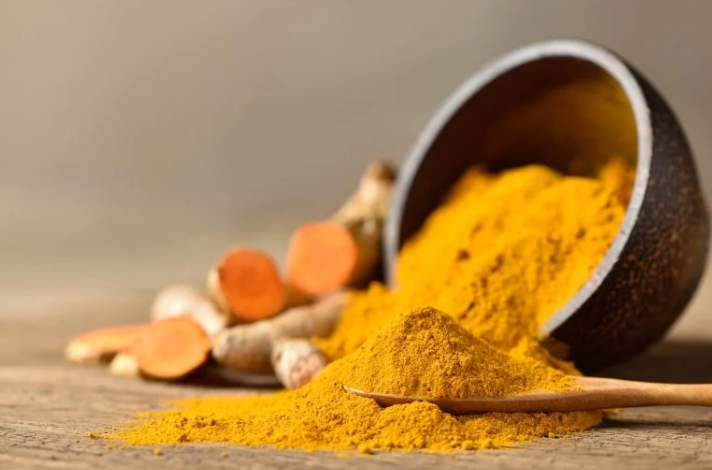
Researchers are investigating whether curcumin, the compound responsible for turmeric’s distinctive yellow colour, could help reduce blood vessel damage associated with Type 1 diabetes.
SciTechDaily reports that persistently elevated blood glucose can damage blood vessels over time, contributing to an increased risk of cardiovascular disease even when insulin therapy is carefully managed.
Curcumin has long been studied for its antioxidant and anti-inflammatory properties, and a new study in rats suggests it may also help preserve the structure and function of the aorta.
The findings, presented in Minneapolis at the 2026 American Physiology Summit, indicate that curcumin may affect several biological processes disrupted by diabetes.
The study’s first author, Swasti Rastogi, a PhD candidate at the Florida Institute of Technology, said the compound appeared to have effects beyond those associated with a conventional antioxidant. She said the research indicated that curcumin could improve blood sugar levels, reduce inflammation, restore cellular responses and help preserve the structure and function of the aorta in Type 1 diabetes.
About two million people in the US live with Type 1 diabetes, a lifelong autoimmune condition in which the body cannot produce enough insulin. Cardiovascular complications are among the long-term concerns associated with the disease.
To assess curcumin’s potential effects, researchers studied rats with Type 1 diabetes and compared those given curcumin with diabetic rats that did not receive the compound. After one month, the blood vessels of the treated rats appeared healthier and more closely resembled those of rats without diabetes.
Curcumin treatment was also associated with reduced inflammation, more normal calcium activity in blood vessels and a rebalancing of heat shock protein 70, a protein involved in cellular responses that can be disrupted by diabetes.
Researchers said the combination of changes suggested that curcumin could help limit diabetes-related damage to blood vessel structure and function. Such damage can gradually reduce the strength and elasticity of blood vessels, potentially increasing cardiovascular risk.
However, the findings are preliminary and do not establish that turmeric or curcumin supplements can prevent cardiovascular complications in people with Type 1 diabetes.
Because the study was conducted in rats, further research, including clinical trials, will be needed to determine whether curcumin is safe and effective in humans, establish an appropriate dose and assess potential interactions with existing diabetes medications. The findings therefore do not provide a basis for people with Type 1 diabetes to increase their intake of turmeric or curcumin supplements without medical advice.