 View notices
Slow-maturing brain immune cells may shape human cognition
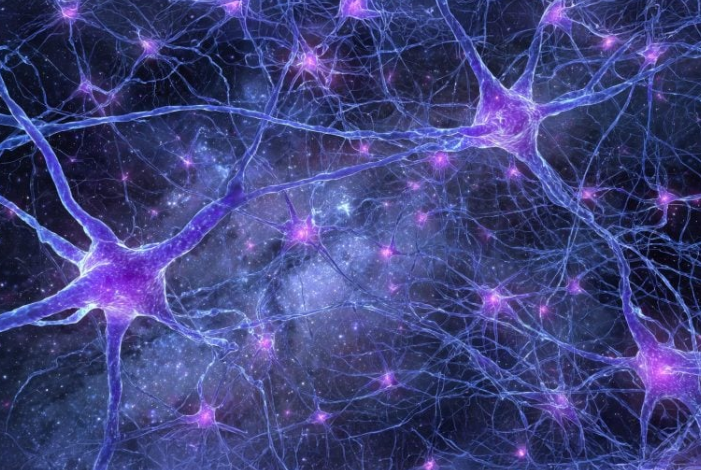
A study from Columbia's Zuckerman Institute has found that human microglia, the brain's primary immune cells, take an unusually long time to mature compared with other species, a discovery researchers believe may help explain the human brain's distinctive cognitive abilities.
While mouse microglia mature in about three weeks, human microglia take between four and eight years, according to the study, published in the journal Neuron. Microglia make up around five to 10% of brain cells and play a role not only in fighting infection and repairing damaged tissue, but in shaping the developing brain, helping determine which neural connections are preserved and how responsive they become.
The research, led by Carlos Diaz-Salazar in the laboratory of Franck Polleux, builds on more than 15 years of work in the Polleux lab studying SRGAP2, a gene duplicated only in humans.
Earlier research had shown that human-specific copies of SRGAP2 increase the number of synapses in neurons and slow their maturation, producing stronger, more densely connected brain cells.
The new study found that these human-specific gene copies are nearly ten times more abundant in microglia than in neurons, and that they are responsible for dramatically extending microglial development in the same way.
Diaz-Salazar suggested the gene may keep neurons and microglia developing on a similar, extended timeline, allowing microglia to continue shaping neural connections throughout the unusually long period in which the human brain matures, a phenomenon known as neoteny that is thought to underpin advanced human cognition.
The research team now plans to investigate exactly how SRGAP2 drives this slow development, with Polleux noting that since microglia have been linked to neurodevelopmental disorders and neurodegenerative disease, the findings could also offer insight into human-specific brain conditions.
SOURCE: SciTech Dailylink text