 View notices
Plants engineered to produce animal protein for meat alternatives
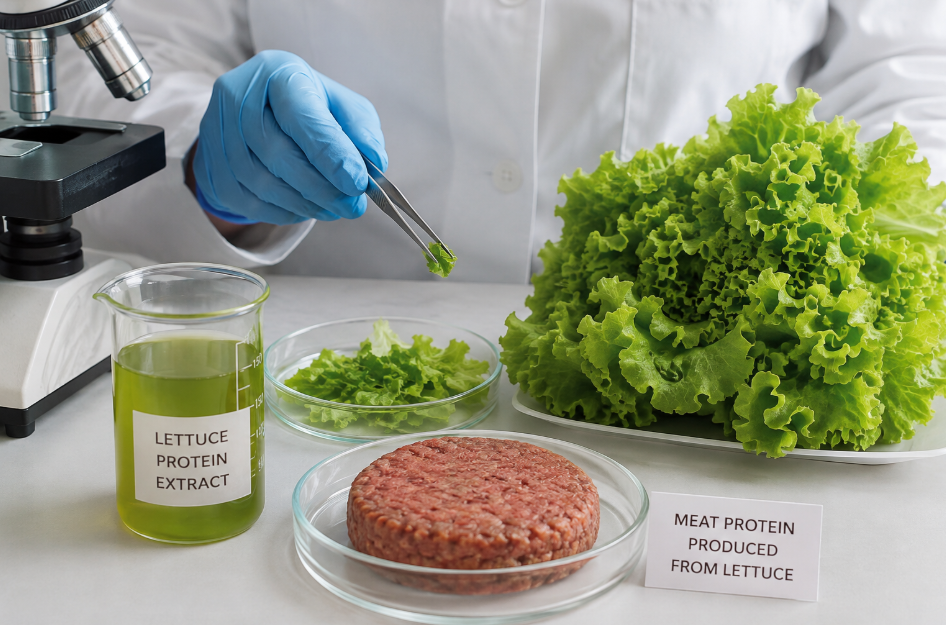
Scientists have demonstrated that plants can be genetically engineered to produce myoglobin - the iron-rich animal protein responsible for meat's colour, flavour and nutritional value - in a development that could make plant-based meat production more sustainable, http://Phys.org reports.
Researchers from Imperial College London successfully engineered tobacco and lettuce plants to produce pig and cattle myoglobin within their chloroplasts, the structures responsible for photosynthesis. The proof-of-concept study found that chloroplasts generated at least three times more myoglobin than when the same genes were inserted into the plants' nuclear genomes.
The researchers recorded myoglobin yields of about 800mg per kilogram of dry tobacco and 810mg per kilogram of dry lettuce. While this remains below the concentration found in animal meat, they said plant cultivation is significantly more resource-efficient than livestock farming, potentially allowing protein yields per hectare to rival or even exceed those of conventional meat production while using less water and producing fewer greenhouse gas emissions.
Lead researcher Dr Alexia Groff said the technology could provide a more sustainable way of producing an important ingredient for plant-based meat products. The team said the myoglobin could be extracted from plant leaves and purified using existing industrial processes before being added to meat alternatives to improve their colour, flavour and nutritional value.
Co-author Dr Kyoko Morimoto said the researchers also hope genetically modified lettuce could eventually be developed into a heme iron-enriched food, subject to regulatory approval.
The global market for meat alternatives is currently valued at between €6.7 billion and €8.1 billion annually and is projected to grow by between 8.1% and 12.3% a year over the next decade, driven by environmental, resource and animal welfare concerns.
SOURCE: Sadie Harley & Robert Egan for Phys.org
LINK: https://phys.org/news/2026-08-powerhouses-fake-meat-muscle-protein.html