 View notices
Nanoparticle “double punch” could help surgeons find and destroy hidden glioblastoma cells
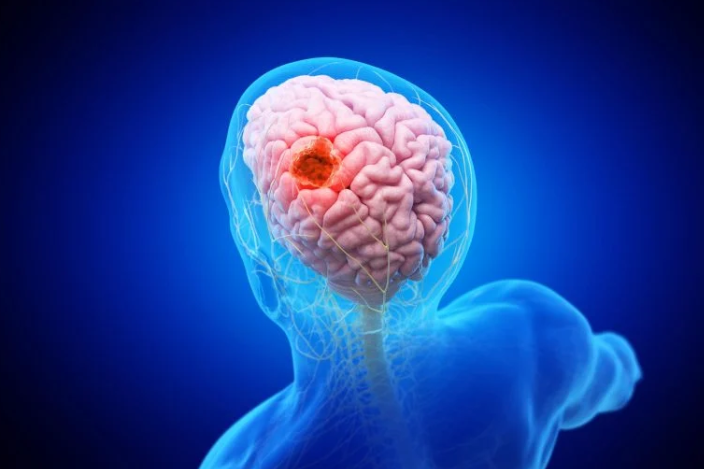
A new light-activated nanoparticle platform could help surgeons see and treat glioblastoma more effectively, according to a report from SciTechDaily.
Glioblastoma, the most aggressive form of brain cancer, spreads microscopic cancer cells into surrounding healthy tissue, making full surgical removal difficult without damaging critical brain function. Treatment is further complicated by the blood-brain barrier, which limits how well drugs and radiotherapy can reach the brain – challenges that contribute to a five-year survival rate of only around 7%.
Researchers from the University of Technology Sydney, Harvard and Henan universities have developed a “double punch” nanozyme platform designed to tackle both problems using a single engineered material, in a study published in Science Translational Medicine.
“We've engineered a single material that does two jobs in sequence,” said Dr Bingyang Shi, chair professor of nanomedicine at UTS.
"It's a precise guide for the surgeon during the operation, and then a targeted clean-up treatment afterward.”
The platform is built around an ultra-thin, two-dimensional sheet with individually positioned atoms, activated by the same near-infrared light at two different stages. During surgery, a fluorescent dye on the material glows under near-infrared light, allowing surgeons to see tumour cell clusters as small as 44 micrometres – finer than current clinical imaging allows – while a targeting molecule helps the material cross the blood-brain barrier and concentrate in glioma cells.
After the visible tumour is removed, the same material is reintroduced into the surgical cavity and reactivated with light for a second phase of treatment. Platinum atoms in the material convert the tumour's own hydrogen peroxide into oxygen, counteracting the low-oxygen conditions that normally protect cancer cells, while the light generates heat and reactive molecules that destroy microscopic cancer cells surgery could not reach.
In mouse models, the treatment suppressed tumour recurrence after surgery – every treated mouse survived to 60 days, compared with 42 days for those given surgery alone, with no detected neurological or motor side effects.
Shi cautioned that the findings are still early-stage.
“The results are very encouraging, but this is still early-stage research carried out in mouse models, not in people – and that distinction is important,” he said, noting that the platform's imaging and treatment performance will need to be confirmed at the scale of a human brain before any clinical use.
Source: SciTechDaily