 View notices
Giant crabs and a mysterious wreck: New search for Amelia Earhart reaches remote Pacific island
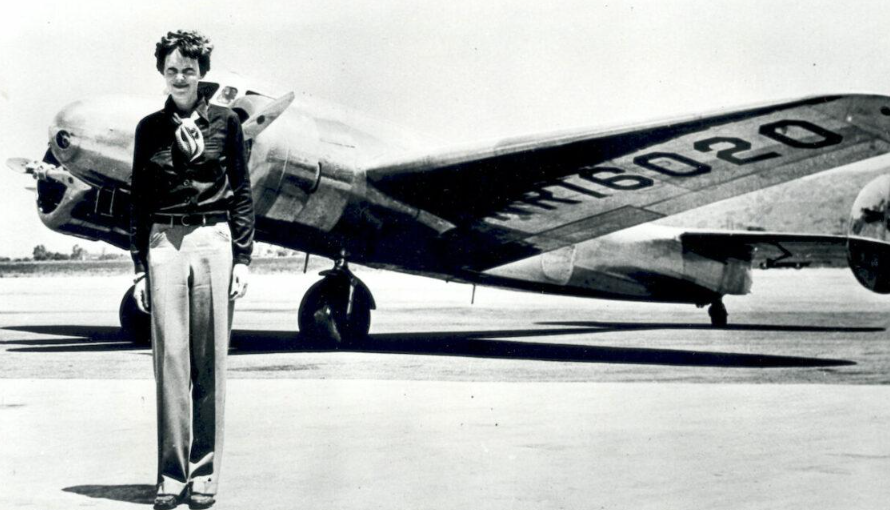
Almost 90 years after pioneering American aviator Amelia Earhart vanished during an ambitious attempt to fly around the world, a new expedition has reached a remote Pacific island inhabited by giant carnivorous crabs in the hope of solving one of aviation’s greatest mysteries.
A 17-member research team, backed by Purdue University and the Archaeological Legacy Institute, has begun investigating a submerged object in the lagoon of Nikumaroro, an uninhabited atoll in the Republic of Kiribati.
According to Purdue University, underwater survey operations began on Wednesday, 14 October, using specialised equipment to determine whether the object could be the remains of Earhart’s Lockheed Electra 10-E aircraft.
Earhart, 39, and navigator Fred Noonan disappeared on 2 July 1937 while attempting to circumnavigate the globe. They were flying from Lae in Papua New Guinea towards Howland Island, a tiny Pacific outpost, when radio contact was lost.
Despite one of the largest search operations in American aviation history, neither the aircraft nor its occupants was recovered.
The latest expedition is investigating the possibility that Earhart and Noonan landed on Nikumaroro, approximately 640 kilometres southeast of their intended destination, and survived for some time as castaways.
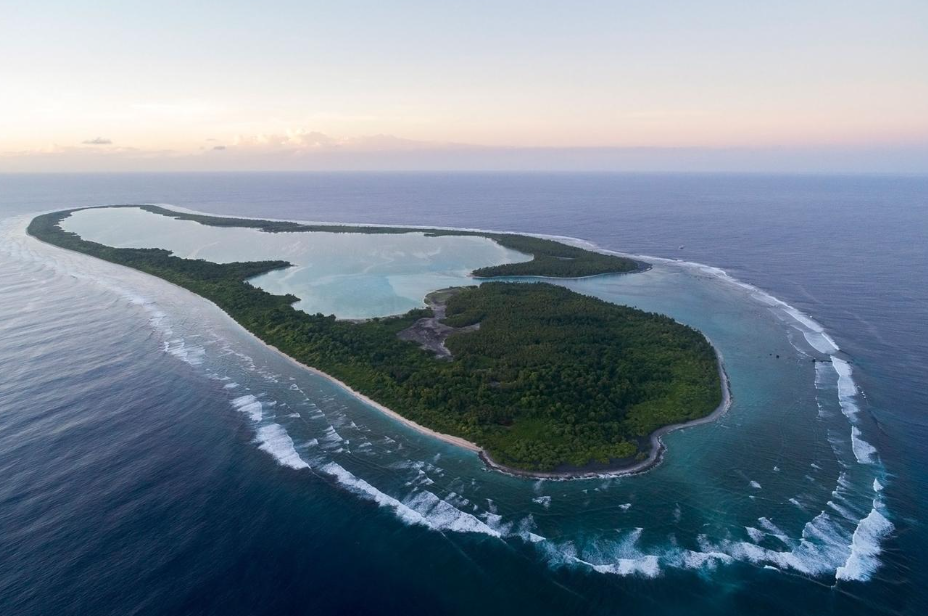 Photo: NASA Johnson Space Center
Researchers are concentrating on a submerged shape known as the “Taraia Object”, first identified in satellite imagery in 2020. Subsequent examination of historical aerial photographs suggested that the anomaly may have been visible as early as 1938.
The team is using magnetometers to detect metal and side-scan sonar to examine objects beneath sediment on the lagoon floor. Further investigations could involve probes and underwater dredging.
However, the expedition faces unusual challenges, including unpredictable tides, difficult access and the island’s population of enormous coconut crabs.
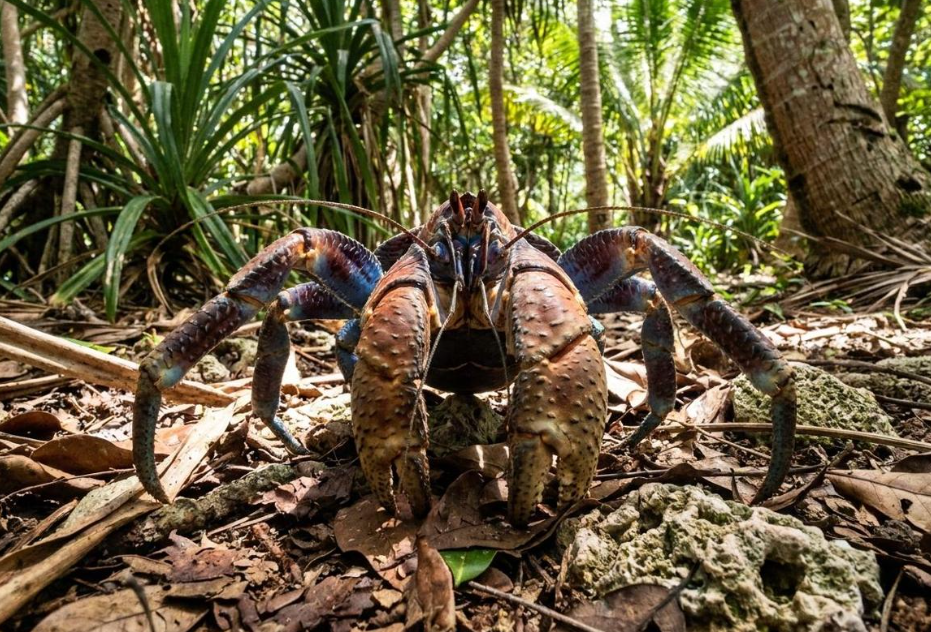 Photo: Drew Avery / Wikimedia Commons
These crustaceans, among the largest land-dwelling arthropods, are powerful scavengers capable of feeding on animal remains. Their presence has contributed to speculation that they might have disturbed or scattered human remains if Earhart and Noonan died on the island.
There is, however, no conclusive evidence that this occurred.
Purdue University reported that researchers encountered at least four coconut crabs while clearing an overgrown trail to the lagoon on Tuesday. The animals did not interfere with operations.
The crabs’ size and nocturnal activity are among the reasons expedition members are sleeping aboard their support vessel rather than camping on the island.
The search has also revived debate among aviation historians.
Reuters reported that veteran Earhart researcher Ric Gillespie, who has led numerous expeditions to Nikumaroro, believes the submerged shape is probably a fallen pandanus tree rather than an aircraft.
Gillespie supports the broader theory that Earhart may have reached the island but disputes the identification of the Taraia Object.
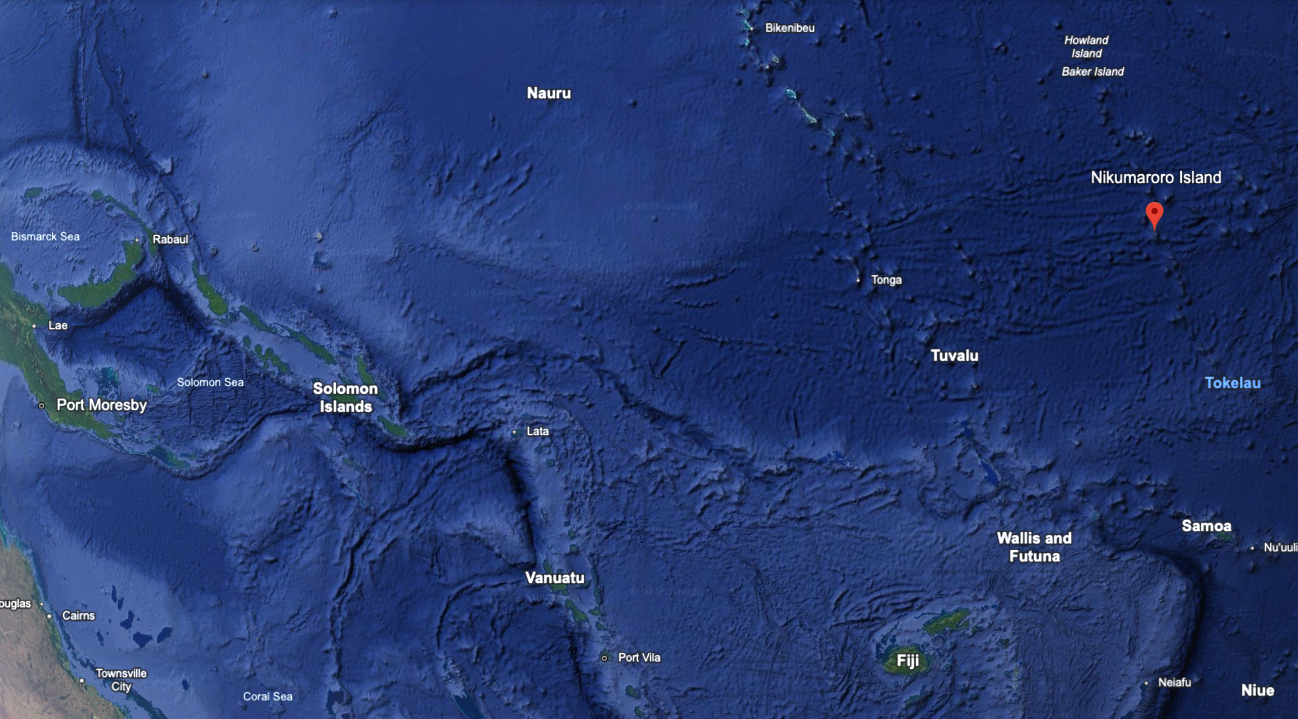 Photo: Drew Avery /Wiki Commons
Previous expeditions have uncovered artefacts, including fragments of a shoe, a possible cosmetics container and evidence interpreted as a castaway campsite. None has conclusively established Earhart’s presence.
The current mission, estimated to cost $900,000, is expected to spend approximately five days investigating the island.
Expedition leader Richard Pettigrew said on Wednesday that the investigation was proceeding according to plan but cautioned that it was too early to draw conclusions.
Should the researchers identify the aircraft, a subsequent recovery operation would require permission from the Kiribati government.
For now, the mystery remains unresolved, but the latest expedition has brought investigators closer to testing one of the most intriguing theories surrounding Earhart’s disappearance.
Sources: Purdue University News, 12–14 October 2026; Reuters, 10 October 2026; The Guardian, 12 October 2026; People, 8 October 2026.