 View notices
Trump's Iran war is going badly, NYT columnist warns
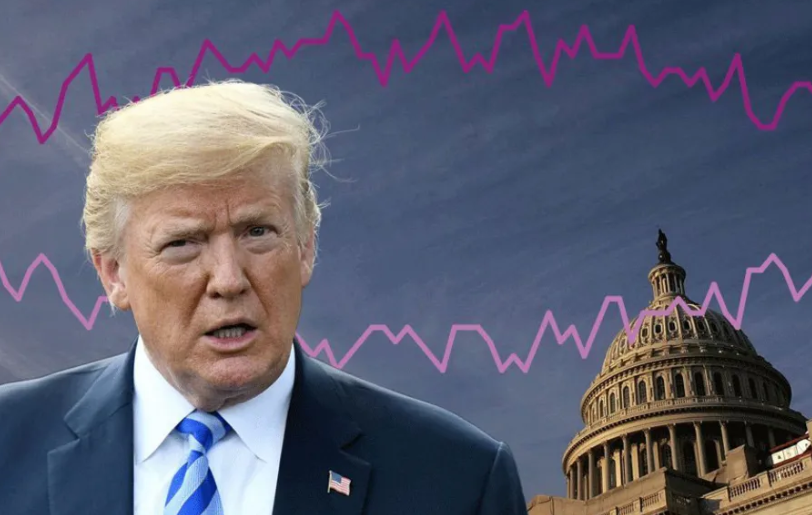
As the US midterm elections draw closer and President Donald Trump attempts to manoeuvre away from a ballot-box shock for the Republicans — which is not a given — it's important to face up to a few hard truths about the Iran war: it's looking bad.
And not just bad, but really bad, especially for the US.
Writing for The New York Times, columnist David French sums it up in plain English: "The initial American strategy failed, the war with Iran is consuming the entire region, Iran and Ukraine are risking a face-off, there is evidence that both Russia and China are escalating their military commitments, American munitions stocks are dwindling, and Trump is raging."
The author of Divided We Fall: America's Secession Threat and How to Restore Our Nation adds that "the only thing worse than President Trump starting an unconstitutional war is Trump losing control of that war."
French has warned, in his column "The war that could swallow the world", that the conflict involving Iran, the US and its regional allies is becoming increasingly unpredictable, raising the risk of a wider international confrontation if diplomatic efforts fail.
The warning follows reports by NBC News that Trump expressed frustration with members of his national security team over the handling of the conflict, with advisers reportedly divided on the best course of action.
According to the analysis, the Trump administration faces a difficult strategic dilemma. Escalating military action risks drawing additional countries into the conflict, while limiting military operations could undermine Washington's objectives.
French argued that the administration had expected a limited military campaign and internal unrest in Iran to weaken the government quickly, but that those expectations have not materialised. Instead, the conflict has entered a prolonged and uncertain phase.
Trump appeared to signal shifting policy last week. On Friday, he announced plans for another round of air strikes against Iran, saying sustained military pressure would eventually force Tehran to yield. However, by Saturday he said he had agreed to suspend further attacks after receiving what he described as requests from Iran and other Middle Eastern countries to allow time for negotiations on a potential agreement.
The analysis contends that developments on the battlefield now extend well beyond bilateral negotiations. Iran has continued attacks on US military facilities and regional partners while maintaining pressure on shipping through the Strait of Hormuz, contributing to concerns over global energy supplies and the broader economy.
The conflict has also expanded geographically. Yemen's Houthi movement has intensified attacks in the Red Sea, while reports suggest Saudi Arabia is considering broader military operations against Houthi positions. Ukraine has reportedly targeted an Iranian vessel in the Caspian Sea that it alleged was transporting military equipment. Meanwhile, Reuters has reported that China is supplying Iran with hundreds of surface-to-air missiles, while Western officials have suggested Russia and China may be providing intelligence support that improves Iran's military capabilities.
French also highlighted concerns over broader geopolitical tensions, pointing to reports of increased Russian military activity near NATO territory and the possibility of further Russian mobilisation for its war in Ukraine.
The analysis further argues that recent fighting has exposed the growing vulnerability of US military bases to missile and drone attacks, while raising concerns about the availability of advanced air defence interceptors and other precision-guided munitions.
Although French stopped short of predicting a global conflict, the piece concludes that current trends point towards continued escalation unless governments pursue meaningful de-escalation efforts. It also argues that the US Congress should play a more active role in shaping American foreign policy as tensions continue to rise.
Reuters has separately reported that oil markets and global shipping remain highly sensitive to developments in the region, with the Strait of Hormuz continuing to play a critical role in international energy security.
SOURCE: The New York Times
ORIGINAL LINK: https://www.nytimes.com/2020/09/22/books/review/divided-we-fall-david-french.html