 View notices
Xenophobia leaves Newcastle factories short-staffed
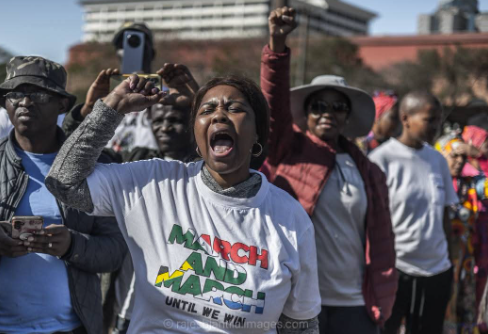
Weeks after xenophobic protests forced thousands of migrant workers out of South Africa, clothing factories in Newcastle, KwaZulu-Natal, are struggling to fill the vacancies left behind, Reuters reports.
The campaign, led by anti-immigrant group March and March, aimed to free up jobs for South Africans, a third of whom are unemployed. But local manufacturers say they've struggled to replace departed workers.
Reuters visited three Newcastle factories in late July whose owners reported losing between 12% and 19% of their workforce during the protests, citing both a shortage of workers with the necessary sewing skills and limited local interest in the low-paying roles.
Analysts note migrants typically fill roles unappealing to local workers, and similar labour shortages have reportedly emerged in sugarcane fields. A spokesperson for the Department of Employment and Labour said he was unaware of any shortages and advised affected employers to seek the department's help with recruitment.
The protests culminated in a 30 June deadline set by March and March for undocumented migrants to leave, prompting many to flee. The group blames immigrants for South Africa's high unemployment, a claim researchers dispute, and argues employers favour foreign workers willing to accept lower wages.
Factory owners counter that they mostly employ South Africans, with only some skilled workers from Eswatini and Lesotho retained for their garment-sector experience that can't be replaced with local labour immediately. One factory owner has started training local employees after losing around 40 foreign workers, though financial constraints limit how many he can train. The Southern African Clothing and Textile Workers' Union estimates 15% of Newcastle's 15,000-strong textile workforce left during the protests.
Union representative Siyabonga Ntombela disputed the skills-shortage explanation, arguing there are plenty of qualified machinists in South Africa and that low pay, not a lack of skills, is the real barrier. Labour market researcher Siphelele Ngidi said drawing South Africans into manufacturing would require a government-led push to revitalise the sector, since the issue extends beyond wages to working conditions and prospects for advancement.
Most of Newcastle's garment factories are Chinese-owned, producing clothing for domestic retailers in a sector the government has promoted to cut import reliance. Workers are typically paid per piece, meaning only the most productive earn the national minimum wage of R30.23 an hour, with many earning less.
Factory owners say low retailer prices leave no room to raise wages. The sector was further strained in February when government inspections uncovered illegal labour practices at some factories, leading to lost retail orders. One owner said the pressures could ultimately cost more South African jobs than the protests were meant to create, adding that his own business is operating at a loss and he plans to decide by December whether to close it.