 View notices
US midterms could signal the beginning of the end for Trump
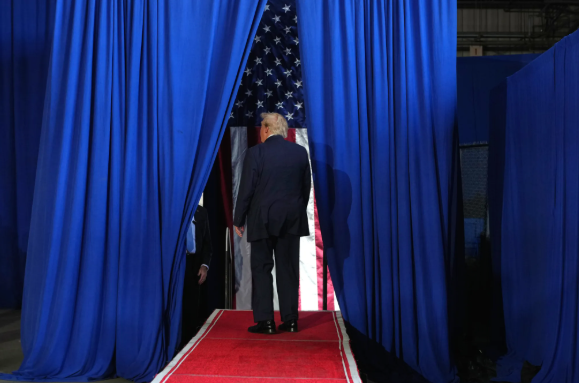
As the US midterm elections draw nearer, is it not time to ask whether this could be the beginning of the end of the road for President Donald Trump and his grip on the Republican Party?
Steve Peoples, writing for Associated Press (AP), suggests that both major American political parties are approaching a crossroads, with Tuesday’s elections potentially reshaping the country's political landscape ahead of the 2028 presidential contest.
For Republicans, the immediate question is whether Trump’s political influence can survive a voter backlash. A decade after transforming the party into a movement centred on his personality and MAGA agenda (Make America Great Again), the 80-year-old president faces the prospect of significant Republican losses.
Some Republican candidates have already begun distancing themselves from him, raising questions about whether the party can maintain the coalition of working-class, younger and minority voters that helped propel Trump to power.
Republican strategist David Urban told AP that turnout among these voters would be a crucial indicator of the movement’s future. If they stay home because of dissatisfaction with the economy, foreign policy or other issues, Republicans could face difficult questions about who should lead them after Trump.
Vice President JD Vance, 42, is widely regarded as a leading contender for the 2028 Republican presidential nomination. However, a poor midterm performance could damage his prospects, along with those of Secretary of State Marco Rubio.
Other potential contenders include Texas Senator Ted Cruz, Florida Governor Ron DeSantis and former New Jersey Governor Chris Christie.
The Democrats, meanwhile, face divisions of their own. Although party officials are anticipating electoral gains, tensions are growing between establishment leaders and an increasingly assertive progressive wing demanding sweeping changes to healthcare, housing and economic policy.
House Democratic leader Hakeem Jeffries could become the country's first Black House speaker if his party wins control of the chamber. Yet progressives remain critical of Jeffries and Senate Democratic leader Chuck Schumer, arguing that the party needs more fundamental change.
Maryland Governor Wes Moore, himself regarded as a possible presidential contender, told AP that Democrats needed to demonstrate greater urgency in delivering results.
“I don’t want to be a party of no and slow. I want to be a party of yes and now,” Moore said.
The growing influence of candidates aligned with the Democratic Socialists of America also threatens to intensify ideological differences within the party.
But even if Republicans suffer substantial losses on Tuesday, Trump will remain president until January 2029. His influence over the Republican Party is unlikely to disappear overnight.
Urban believes Trump will continue to dominate Republican politics regardless of the election outcome, comparing his influence to the ancient Colossus of Rhodes.
The larger question, therefore, is not simply whether Republicans retain control of Congress, but whether the midterms mark the beginning of a political transition away from Trump’s dominance.
For both parties, the results could determine not only the balance of power in Washington for the next two years, but also the direction of American politics long after Trump leaves the White House.
Sources: Associated Press, Steve Peoples, analysis of the 2026 US midterm elections and the future of the Republican and Democratic parties. Related AP coverage: 2028 presidential contenders; Democrats’ proposed congressional agenda.