 View notices
US-Iran talks remain deadlocked over Strait of Hormuz
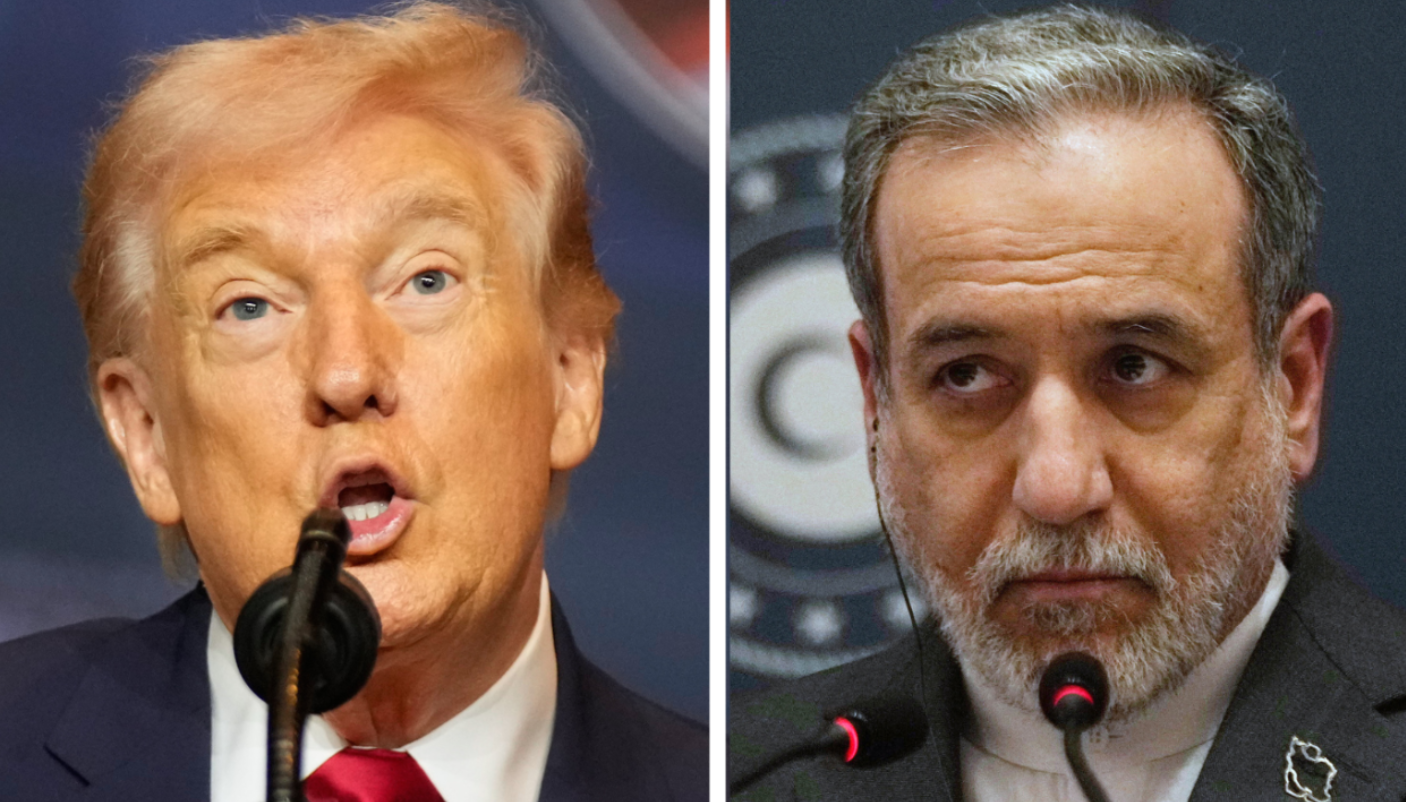
Indirect US-Iran talks remain deadlocked over the sequence of issues that must be resolved before wider peace negotiations can resume, with the Strait of Hormuz at the centre of the dispute.
Iranian Foreign Minister Abbas Araghchi left New York on Tuesday saying Tehran was awaiting a formal US response to its proposal to reopen the strategically important waterway.
Daniel Khalili-Tari writes for Al Jazeera that Iran has proposed reopening the strait within seven days, after which broader talks, including discussions on its nuclear programme, would begin.
The proposal was conveyed through Qatari mediators last week.
US President Donald Trump has publicly rejected the offer, which would see Iran reopen the strait in exchange for the lifting of a US naval blockade, sanctions relief, the release of frozen Iranian assets and a wider regional ceasefire.
Araghchi said Tehran had not received a formal response through diplomatic channels. Qatari mediators met him in New York on Monday and were expected to take the proposal back to Washington.
Iran wants the strait, sanctions and the cessation of US-Israeli attacks addressed before returning to wider negotiations. Washington wants all outstanding issues, particularly Iran’s nuclear programme, addressed as part of a single agreement.
The Strait of Hormuz has become a central flashpoint since US and Israeli strikes on Iran triggered the conflict and its closure. About one-fifth of the world’s oil and natural gas passes through the waterway during peacetime.
Both sides have said they remain open to diplomacy, but their differences over the order of negotiations continue to hold up a settlement.