 View notices
Tshwane turns the tap down: stiff restrictions and fines for water waste
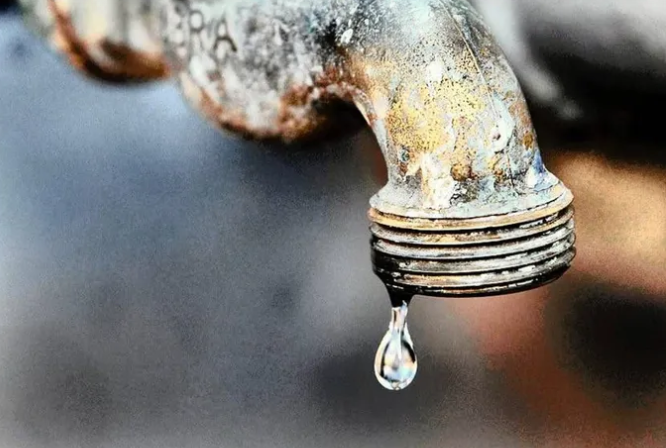
The City of Tshwane has introduced Level 2 water restrictions with immediate effect after being asked to cut its daily consumption by 200 million litres, city spokesperson Lindela Mashigo said.
City spokesperson Lindela Mashigo said demand for treated water is exceeding available supply, putting severe pressure on storage levels and disrupting supply to communities. The restrictions are meant to cut consumption and help protect the groundwater supply system.
The City said consumption has been consistently high since September 2026, exceeding its permanent Rand Water licence allocation by 34% and its temporary allocation by 19%. That has strained Rand Water’s storage levels and its ability to supply other areas.
The national Department of Water and Sanitation said the current supply disruptions in Gauteng are driven by demand for treated water outstripping supply rather than by a shortage of water in the source dams. The City attributed part of the rise in consumption to El Niño, which has brought extreme heat and higher water use.
Under Level 2, residents are urged not to water gardens and lawns with municipal drinking water or fill swimming pools from the municipal supply. Washing cars with hosepipes is prohibited, and owners are encouraged to use buckets.
Residents are also asked to fix leaking taps, toilets and pipes, shorten showers, avoid leaving taps running and reuse greywater for gardening and other non-drinking purposes. Businesses and institutions are expected to introduce their own conservation measures. Mashigo said Tshwane Metro Police and by-law enforcement teams will carry out inspections across all regions. Those who break the rules face fines from R5,000 and possible prosecution.
Punitive tariff adjustments, in line with the Council-approved tariff policy, take effect on Monday. The City said they are intended to discourage excessive use, with the amount payable depending on volume used and consumption category.
The restrictions will initially last 30 days. The City will keep monitoring consumption and may extend them, subject to the required approvals and public notice.
Mashigo urged residents to play their part, warning that continued high consumption could further affect supply to communities. Every litre saved, he said, helps reservoirs recover.
Sources: JacarandaFM, City of Tshwane statement, The Citizen.