 View notices
Student movement wins Serbian power after years of protest
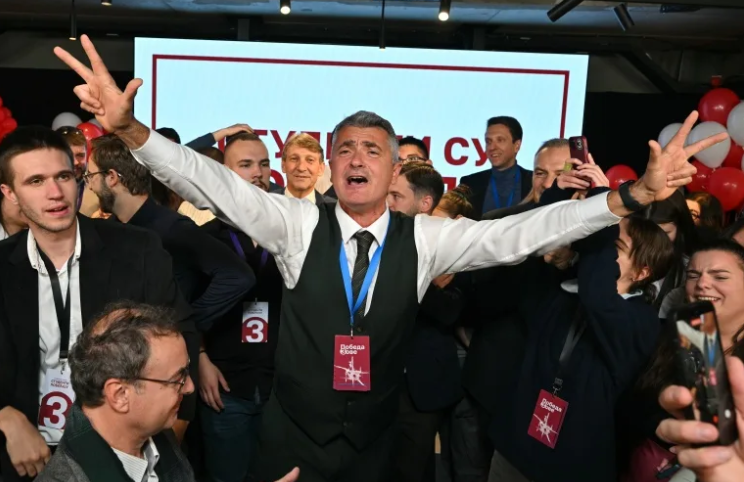
Serbia faces a profound political change after a student-led protest movement defeated the party of long-standing leader Aleksandar Vučić in a snap parliamentary election, prompting celebrations across the country.
With almost 99% of votes counted, the Student List had secured 52.7% of the vote, compared with 39.2% for the alliance led by Vučić’s Serbian Progressive Party (SNS), Reuters reported, citing the state election commission.
Vučić conceded defeat on Sunday, bringing an end to his bid to return as prime minister. His party had been in power since 2012, while he had dominated Serbian politics as prime minister or president from 2014.
Crowds gathered in Belgrade, Novi Sad and other cities after the result became clear, dancing, sounding car horns and setting off fireworks. One student celebrating in Belgrade told the BBC: “Serbia is free.”
The movement emerged after the collapse of a concrete canopy at Novi Sad railway station in November 2024 killed 16 people. The disaster triggered widespread allegations of corruption and negligence and gave rise to sustained protests demanding accountability.
Vučić and the SNS have repeatedly denied accusations of corruption and repression.
An unconventional route to power
The result marks an unusual political development in Europe: a movement organised through student assemblies has won an election without putting students themselves into parliament.
Instead, the Student List fielded candidates from across Serbian society, including doctors, academics, actors and farmers. Cardiologist Ilija Srdanović headed the list, but the movement has no single recognised leader, and it remains unclear who will become prime minister or fill other senior government posts.
The BBC reported that student assemblies, known as plenums, helped organise the protests as they spread beyond university campuses. The movement’s challenge now is to turn that decentralised approach into a functioning parliamentary majority and government.
Its proposed reforms include tackling corruption, ending the appointment of party loyalists to lead public enterprises and freeing the public broadcaster from political control.
Reuters reported that the Student List had secured a majority in the 250-seat parliament. Once final results are announced and parliament convenes, Serbia’s constitution allows up to 90 days for a government to be formed.
The new leadership will also have to decide how to manage Serbia’s relationships with the European Union, Russia and other partners. Serbia is a candidate for EU membership, not a member of the bloc.
Sources: BBC News, Paul Kirby, 26 October; Reuters, 26 October; CRTA election observation mission, 26 October.