 View notices
State capture-tainted R38.6bn Transnet fleet upgrade leaves 361 locomotives idle
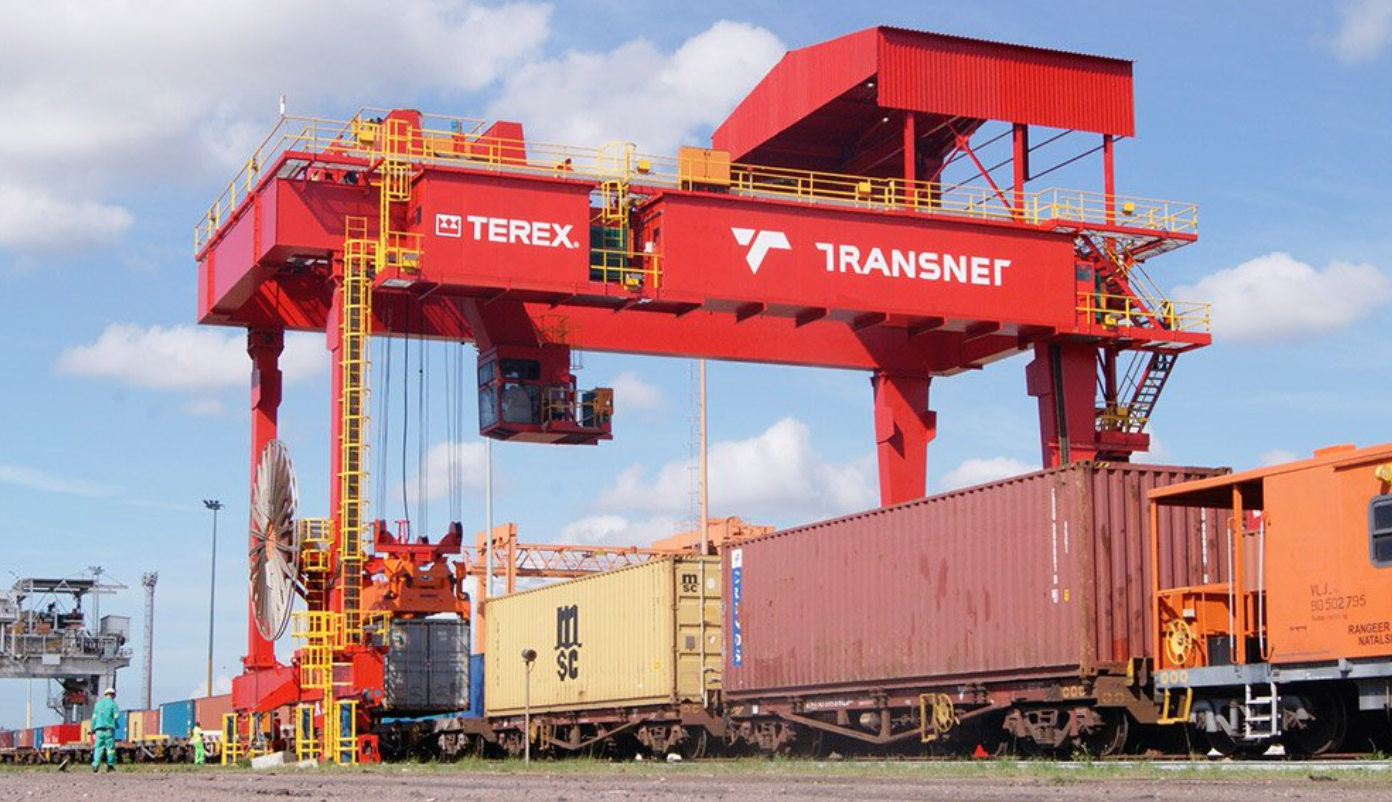
Transnet spent R38.6 billion on 1,164 locomotives to modernise its rail freight fleet, but 361 of those trains remain out of service due to a shortage of spare parts, after original equipment manufacturers suspended their contracts with the utility.
The logistics utility has spent heavily trying to source parts from alternative suppliers and re-engineer the affected locomotives, without success so far, in what has become a case study in how state capture hollowed out capacity at South Africa's state-owned enterprises, Newsday reports.
The programme, known as the Transnet 1,064 Project, was launched in March 2014 as the flagship transaction under the utility's Market Demand Strategy, which aimed to shift freight from road to rail by modernising Transnet's ageing infrastructure amid forecast growth in freight demand.
Under the plan, Transnet Freight Rail set out to procure 599 electric and 465 diesel locomotives at a budgeted cost of R38.6 billion, with 55% of diesel units and 60% of electric units to be manufactured locally to support job creation.
The four main vendors were CSR Zhuzhou Electric Locomotive of China (359 electric units), Bombardier Transportation South Africa (240 electric units), General Electric South Africa Technologies, now Wabtec (233 diesel units), and CNR Rolling Stock South Africa (232 diesel units); CSR and CNR merged in 2015 to form China Railways Rolling Stock Corporation (CRRC), which became Transnet's largest supplier.
The project's first problem predated any train reaching the tracks: Transnet had forecast 5% annual economic growth between 2014 and 2024, but actual growth over that period averaged only 1%, leaving the utility with debt its rail revenues could not service.
Poor forecasting was compounded by corruption uncovered by the Public Protector, the Special Investigating Unit and the Zondo Commission, which found extensive irregularities in the procurement process, including tens of billions of rand siphoned off through advisory fees and kickbacks to Gupta-linked entities, some of it routed through offshore front companies later connected to Chinese suppliers.
Former Transnet chief executive Brian Molefe and chief financial officer Anoj Singh were found to have unlawfully inflated the project's budget by R15 billion, ostensibly to cover hedging costs, escalations and kickback structures.
Transnet began setting aside the original contracts in 2021, arguing they had been awarded through corrupt and illegal processes. It succeeded only against GE/Wabtec, whose contract was declared invalid in 2025, after which Transnet kept the delivered locomotives and received a cash settlement; it also secured a R618 million payment from CRRC and had the Chinese company's South African bank accounts frozen, though further recovery efforts proved difficult.
Because contracts with vendors, particularly CRRC, were suspended during the legal proceedings, Transnet was unable to secure spare parts or conclude maintenance and reliability agreements, leaving much of the new fleet unable to stay operational.
Transnet's annual report shows 455 of the 1,164 ordered locomotives were “sterilised” as a result, severely constraining Transnet Freight Rail's capacity on major export channels and forcing reliance on an ageing, failure-prone fleet, which the utility said led to lost railed volumes during global commodity surges, increased derailments and rising unscheduled maintenance costs.
By the end of the 2026 financial year, Transnet had managed to reduce the sterilised fleet to 361 locomotives.