 View notices
Six Eastern Cape hospitals under scrutiny over dire conditions
At Bhisho Hospital, women had to bring their own linen to the postnatal ward.
Women who had recently given birth slept on floors and benches at some Eastern Cape hospitals because of bed shortages, while other patients were forced to share beds, the Commission for Gender Equality told Parliament’s portfolio committee on health on Wednesday.
The commission also reported bloodstains on hospital floors and mould in showers used by women recovering from surgery, African News Agency reported.
Tsietsi Shuping, the commission’s head of legal services, said the findings were based on hearings with the hospitals and the provincial health department, as well as unannounced visits by commissioners in October 2023.
He said patients from remote rural areas often had to share beds. Bloodstains had also been found on floors, while patients were forced to use bathrooms in poor conditions.
At St Elizabeth Hospital in Mthatha, women who had undergone surgery were washed in showers where green and black mould covered the ceilings, Shuping said.
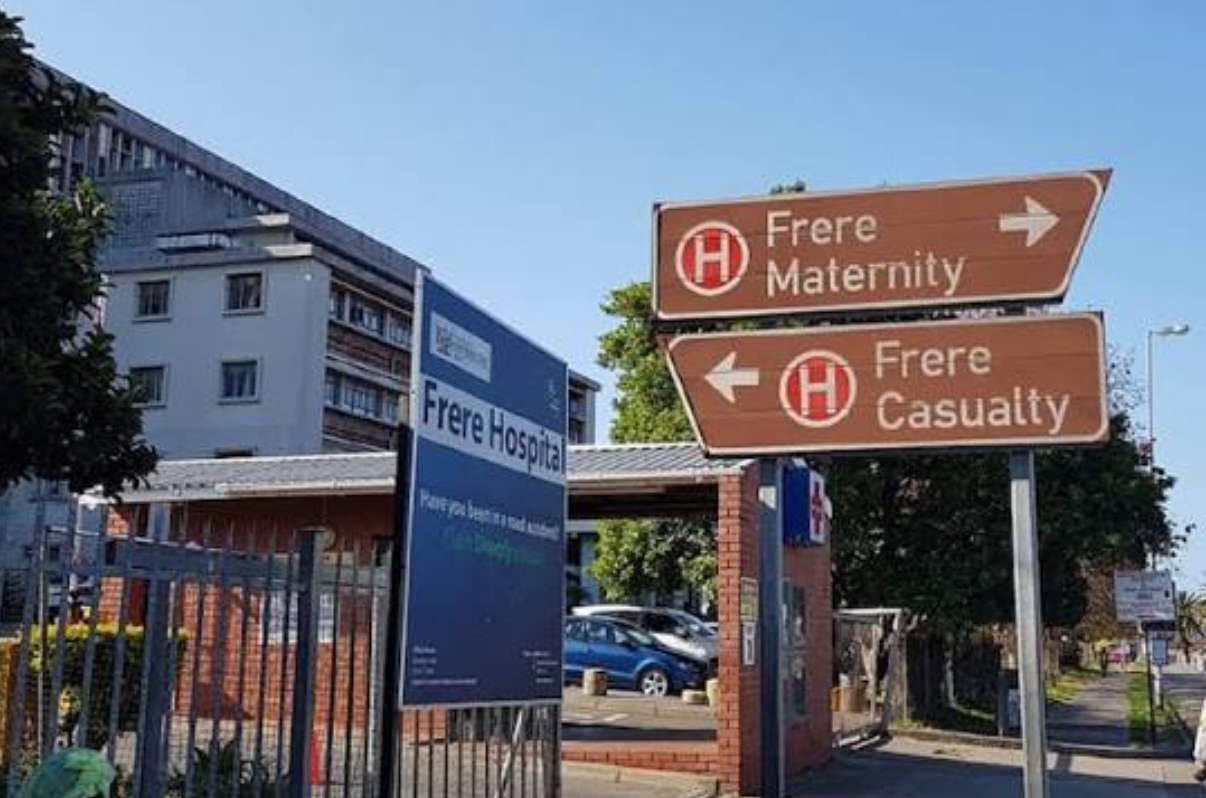
At Frere Hospital in KuGompo City, formerly East London, the commission found exposed electrical wires in an underground tunnel leading to the maternity ward. A room used for terminations of pregnancy also failed to meet basic standards of dignity, he said.
Shuping highlighted the condition of the bed and the room, as well as the lack of cupboards for equipment. Such conditions could discourage women from seeking terminations at the facility, he said.
The commission also found that there was no fencing behind the hospital and that accumulated waste had not been cleared.
At Bhisho Hospital, women had to bring their own linen to the postnatal ward, the commission found.
MP Nompumelelo Mhlongo said the termination-of-pregnancy room offered no privacy, was dirty and had utensils on the windowsill.
“I would not accept being exposed in such a room myself,” she said, calling for accountability.
MP Paulnita Marais said that during oversight visits in the Sarah Baartman district, new mothers living with HIV had been directed to the back of clinics to collect their antiretroviral medication.
She said the practice made their HIV status apparent to others, amounted to stigmatisation and had contributed to some mothers losing their babies.
DA MP Dr Karl Le Roux, a former rural doctor in the Eastern Cape, said patients across the country had reported verbal and physical abuse while in labour. He asked whether commissioners had spoken to women about the care they had received.
The commission’s investigation into Thuthuzela Care Centres — where rape survivors are meant to receive medical, police and legal assistance in one place — found that only one of the seven centres visited had a security guard on site.
A deputy director-general in the provincial health department told the committee that maternal deaths in the Eastern Cape had fallen from 127 in 2024 to 85 in 2025.
He said the department had used an R897 million allocation from the health minister to buy linen and hospital beds. The linen shortage at Bhisho Hospital and the bed shortage at St Elizabeth Hospital had since been resolved, he said.
However, he acknowledged that the department had not yet met all its targets because of funding and budget constraints. It was continuing to seek efficiencies and prioritise maternal and neonatal health services, he said.
Committee chairperson Faith Muthambi gave the department until 15 October to submit a full report on the steps it had taken since the commission’s findings.