 View notices
Rial hits record low as US prepares fresh sanctions against Iran
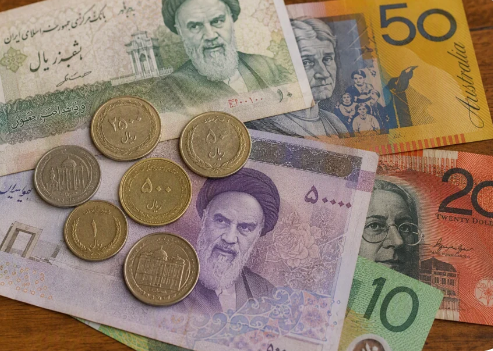
Iran's currency fell to a record low on Monday as Washington prepared to unveil new sanctions it says will pile further pressure on an economy already reeling from previous sanctions and a US naval blockade.
The rial dropped to 2.02 million to the US dollar when currency markets opened, far below the central bank's official rate of around 1.5 million to the dollar – the rate most Iranians actually pay in practice.
Nasser Karimi and David Rising report that, despite the economic toll, the pressure has yet to translate into political concessions. Iran retains a significant strategic card: its attacks and threats against shipping in the Strait of Hormuz have brought traffic through the vital waterway to a near standstill, hurting the global economy and putting pressure on US President Donald Trump ahead of congressional elections. The conflict has increasingly become a struggle over control of the strait, through which a fifth of the world's traded oil passed before the war, with Iran now refusing to fully reopen it unless it is permitted to charge passing vessels.
Iran and Oman, which sits on the opposite side of the strait, are reportedly nearing an agreement on jointly managing the waterway, and Oman's foreign minister is due to visit Tehran on Tuesday.
In a bid to break the deadlock, the Trump administration had signalled that even tougher sanctions than those already imposed – including secondary sanctions targeting countries still trading with Iran – would be announced on Monday. US Treasury Secretary Scott Bessent wrote in the Financial Times on Sunday that Trump's measures had weakened the rial and driven inflation to unprecedented levels, and suggested that only nations deceiving themselves about accommodating aggression still believed lasting peace could be achieved that way.
The United Arab Emirates, long one of Iran's largest trading partners and biggest source of imports, announced last week that it was suspending all trade with the country. Iranian foreign ministry spokesperson Esmail Baghaei told reporters in Tehran on Monday that any escalation would carry consequences, and warned that Iran's options remained open.
Pakistan, which helped broker a 60-day ceasefire in June, sent a senior delegation to Iran on Monday for talks aimed at ending the war, according to Iran's military. In Tehran, 73-year-old Sadegh Mahmoudi joined a queue of around a dozen people looking to buy US dollars with his remaining savings as a hedge against further declines in the rial. He said he saw no prospect of a deal or peace.