 View notices
Recyclers eye opportunity as Gulf war squeezes virgin plastic supply
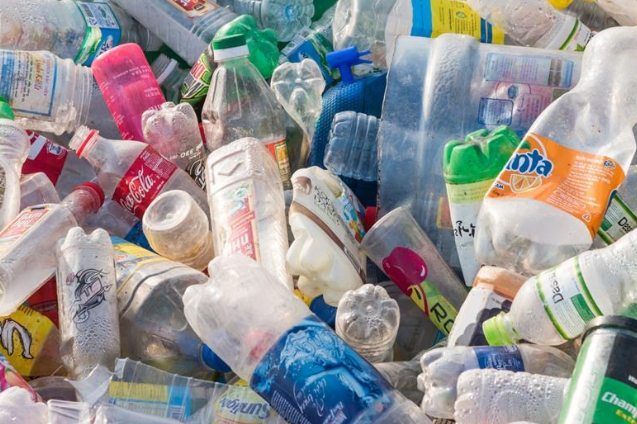
Virgin plastic production has been sent into a tailspin by the Persian Gulf war, as oil-price pressure squeezes petrochemical feedstocks derived from crude oil and naphtha, a flammable petroleum distillate.
The resulting squeeze on manufacturers' margins is creating shortages and volatility in resin prices, pushing up demand for recycled alternatives – a market sector in which South Africa excels.
But can recycled plastic consistently meet the quality and reliability standards manufacturers demand?
Albie Alberts, director at industrial plastics recycling company Everloop Plastic, believes the answer is an emphatic "yes".
Interviewed by Jeremy Maggs on the Moneyweb@Midday podcast, Alberts said there is a huge gap in the market for recycled plastic, provided the quality of repurposed material is guaranteed.
To get this right, recyclers need a couple of systems in place, he said.
"You've got to make sure there's no contamination. That's before you start recycling the material. Also, you want to do tests on the material to make sure that the recycled material is the same spec as the virgin material that your customer would need."
Clients should also be able to trace the origin of the recycled plastic, alongside consistent weekly supply.
Citing Brent crude at $93 a barrel, up 2% on Monday morning, Maggs asked whether Alberts had crunched the numbers on how higher oil prices affect the cost and availability of virgin plastic.
"It affects it directly," Alberts said, adding that the production and price of virgin plastic rises by the same percentage as the oil price, while availability is also hit.
Alberts believes recycled plastic can make up the shortfall, but said the industry need sharpen up.
"If everyone can up their game in the recycling market and start focussing on that, the recycling market is definitely going to pick up."
It will take persuasion to convince manufacturers they can trust recycled plastic, he added.
"Unfortunately, there hasn't always been a focus on quality," Alberts said, adding that closing the gap between manufacturers' distrust and recyclers' quality standards will take real effort.
Still, he is confident it is achievable.
"I'm sure as time goes by and the virgin material gets more expensive and harder to get, the guys [manufacturers] will see that it makes sense to source product from recycling sources."
Asked whether recycled plastic could match virgin quality, Alberts said: "It can get very close, depending on the material. If you're getting pre-consumed or production scrap material that's getting recycled for the first time, it would be close to similar to virgin material."
If that quality can be consistently delivered, market trust could swing towards recycled plastic that performs as well as virgin material at a lower cost. Poor quality, by contrast, risks clogging moulding and injection machines, Alberts warned.
"That's where the big focus should lie. We should up our quality, make sure the material is consistent."
Ultimately, he said, it comes down to regulation across the recycling space to ensure the industry complies with quality standards.
"I would advise the guys that are serious about recycling to get systems in place, train their people, train their staff, make sure they know the different polymers, that there's no contamination. Then the quality and the success will follow."
PHOTO CREDIT: Packaging Europe