 View notices
Record-breaking El Niño may bring 2030s-level heat to 2027
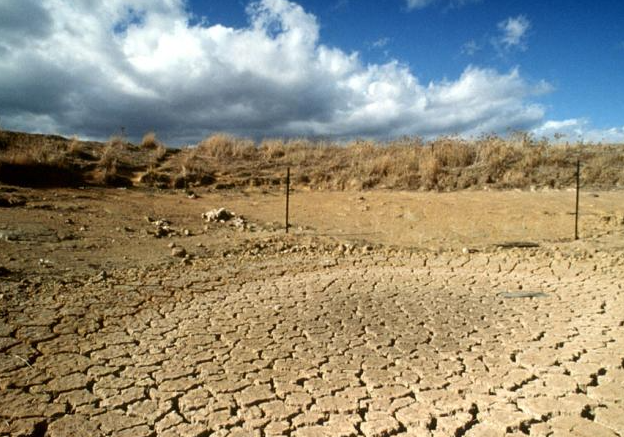
This year’s El Niño is on track to become the strongest on record, potentially intensifying extreme weather around the world and helping to push global temperatures to unprecedented levels in 2027.
Issam Ahmed writes for AFP that climate scientists say the event, combined with long-term human-caused global warming, could offer an early glimpse of the temperatures expected later in the 2030s.
El Niño is the warming phase of the naturally occurring El Niño-Southern Oscillation in the tropical Pacific. It develops when trade winds temporarily weaken, allowing warm surface water that normally accumulates in the western Pacific to move eastwards.
The resulting warmer ocean temperatures affect atmospheric circulation, producing different weather patterns around the world, including hotter and drier conditions in some regions and cooler and wetter conditions in others.
Some effects are already being felt, with Indonesia experiencing a prolonged and intense dry season that has fuelled wildfires across hundreds of thousands of hectares.
According to the Climate Brink dashboard, daily sea surface temperatures in the Niño 3.4 region of the Pacific are currently about 2.6°C above the rolling 30-year average. Forecasts compiled by the dashboard suggest the anomaly could peak at 3.9°C in November, exceeding the roughly 3°C anomaly recorded during the powerful 2015 El Niño.
Scientists Zeke Hausfather and Andrew Dessler estimate that El Niño could temporarily add about 0.3°C to the long-term global warming trend, potentially pushing average global temperatures in 2027 to about 1.76°C above pre-industrial levels.
Dessler, a professor at Texas A&M University, said such a development would effectively bring forward, into a single year, levels of warming otherwise expected around 2037. NOAA has placed the probability of the current El Niño becoming the strongest in its dataset, which dates back to 1950, at 69%.
Scientists also warn that climate change can intensify the impacts associated with El Niño. A warmer atmosphere holds more moisture, potentially making heavy rainfall more extreme, while higher temperatures can further dry soils and worsen drought.
There is less agreement over whether climate change directly causes stronger El Niño events, although evidence is emerging that warming oceans may amplify the cycle. NOAA scientist Mike McPhaden said research, including historical records and climate modelling, suggested that El Niño events may have increased in amplitude by about 10% over the past century.