 View notices
Proposed labour law could expose households to steep fines
Under the draft amendments, a Labour Court could impose a fine of up to R100,000.
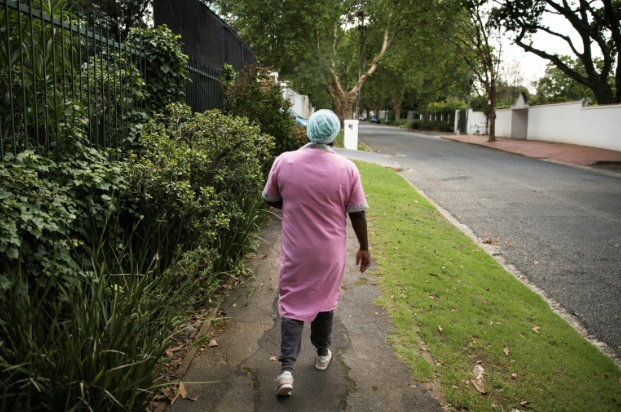
South African households employing foreign domestic workers without the required authorisation could face substantially higher penalties under proposed amendments to the country’s employment laws.
The Employment Services Amendment Bill, B16-2026, is currently before Parliament and seeks to strengthen regulation of foreign nationals in the labour market, including tougher enforcement against employers who employ people who are not legally permitted to work in South Africa.
The Bill was introduced in the National Assembly on 29 May and was subsequently considered by the Portfolio Committee on Employment and Labour on 5 August. Parliament has now opened a public participation process, with written submissions due by 6 November.
Under the proposed amendments, a Labour Court could impose a fine of up to R100,000 on an employer who has not previously contravened the relevant provisions.
A second contravention within three years could attract a fine of up to R200,000, while two or more previous contraventions could result in a fine of the greater of R1 million or 10% of the employer’s turnover in the previous financial year.
The Bill states that the court must consider any economic benefit derived from the contravention when determining a fine.
The proposed penalties relate to employers who breach provisions covering the employment of foreign nationals, prescribed quotas and restrictions on work outside the terms of a visa or permit.
The Bill defines an employer broadly as any person who remunerates, or is liable to remunerate, an employee or worker. It does not create a specific exemption for private households employing domestic workers.
Under the proposed legislation, employers would have to establish that a foreign national is legally entitled to work in South Africa and to perform the particular job. They would also be required to retain copies of relevant visas and other documents proving the person's right to work.
The Bill further proposes that foreign nationals must not be employed on conditions inferior to those offered to South African citizens.
The proposed amendments would give designated labour inspectors responsibility for monitoring and enforcing the Employment Services Act.
The legislation also provides for a framework governing foreign-national employment, including possible quotas by sector, occupation or region.
Parliament said the Bill is intended to regulate the employment of foreign nationals while strengthening enforcement and aligning the Employment Services Act with the Immigration Act and Refugees Act. The committee has also highlighted the need for greater co-ordination between Employment and Labour, Home Affairs, SAPS and other enforcement agencies.
For households employing foreign domestic workers, gardeners, caregivers or other staff, the practical implication is that documentation authorising employment will become increasingly important if the proposed legislation is enacted.
The Portfolio Committee on Employment and Labour has invited written submissions from the public, business, organised labour and civil society.
Submissions must reach the committee by 4pm on Friday, 6 November 2026.
The proposed penalties are not yet law. The Bill must still proceed through Parliament and the remaining legislative process before any amendments take effect.