 View notices
Proposed Iran-Oman deal would hand Tehran control over Hormuz shipping, sources say
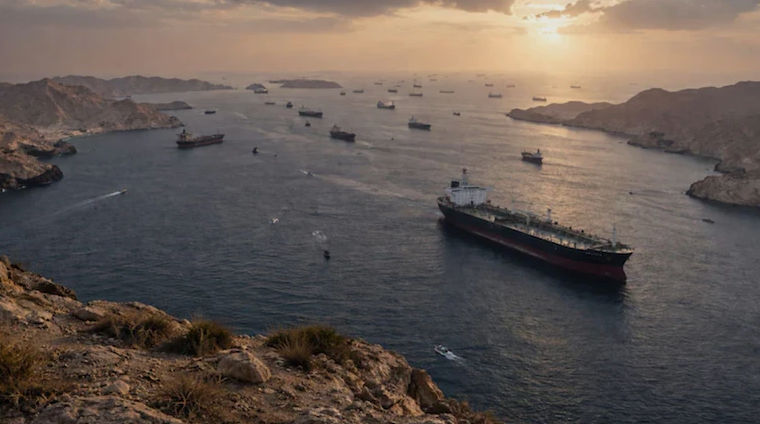
A proposed agreement between Iran and Oman aimed at ending five months of war between Iran and the United States would give Tehran control over vessels entering the Gulf through the Strait of Hormuz, a senior Iranian source and two regional officials have told Reuters.
The news service reported that the proposed deal would be one of the most significant concessions to Iran to emerge from the conflict so far.
There has been no immediate comment from Washington. President Donald Trump has said a deal reopening the strait was imminent, though US officials have repeatedly insisted they would never accept Iranian control over the world's most important energy trade route.
Before the war, the strait was open to all shipping at no cost.
Such an arrangement would mark a major shift in the regional balance of power in Iran's favour, given the war was launched by the US and Israel. Iran and Oman, which control the strait's northern and southern channels respectively, have been holding bilateral talks and report "significant progress", with Iran saying both inbound and outbound traffic would pass through its waters.
Separately, Reuters reports that Iran has warned Gulf states that any fresh US strikes on its territory would trigger retaliation against regional energy infrastructure, according to five sources – an apparent attempt to raise the political cost of further US military action by threatening Washington's allies.
One Gulf source described the warning as unequivocal, saying Iran would strike Gulf energy facilities and other targets in response to any attack on its own infrastructure. Iran has already been targeting Gulf allies' interests with missiles and drones, as well as commercial vessels transiting the strait without its permission.
Speaking at a rally in Las Vegas, Trump said he would prefer a negotiated settlement, telling supporters he did not want to see further deaths, though warned that further military action remained possible. Iran has reported more than 3,400 deaths since the war began on 28 February, against 18 US military personnel.
Sources cautioned that significant issues remain unresolved and pushed back on suggestions from Trump that a deal was close. One regional source said a concession over some form of Iranian control at Hormuz had already effectively been made, though how "control" would be defined remains contested – Gulf negotiators are pressing for regional states to supervise ship inspections and for any transit fees to be voluntary.
According to the senior Iranian source, Tehran is seeking fees of 5-7% of cargo values for ships using the strait, while Oman has proposed around 3% and Washington wants no fees at all. The same source said a draft text already envisages Iranian control over inbound shipping, with the main sticking point being what role Iran would have over vessels heading in the opposite direction.
Iranian deputy foreign minister Kazem Gharibabadi told the state IRNA news agency that the arrangement was designed so that commercial vessels would transit Iranian territorial waters on both legs of their journey, and said talks with Oman had reached "fundamental understandings" that were close to being finalised. He added that Iran had received signals from the US that it was prepared to return to commitments made under a mid-June memorandum of understanding providing for an immediate halt to military operations - which he said was a precondition for reopening the strait - though no direct US-Iran talks had taken place recently.
Trump, who declared at the start of the war that it would end in Iran's "unconditional surrender", is facing pressure from voters who oppose the conflict by roughly two to one ahead of November's midterm elections. Months of US military action, including a two-week strike campaign in July, have failed to break Iran's grip on the strait, and Reuters has reported that US commanders warned in July of dwindling munitions stocks, with the army said to have used up nearly all its long-range precision missiles. Crude prices have fallen sharply in recent days after Trump called off renewed strikes on Iran, citing ongoing talks.
SOURCE: Reuters. Additional reporting by Parisa Hafezi, Timour Azhari, Menna Ala El Din, Elwely Elwelly and Bo Erickson.