 View notices
Netanyahu demands prosecution of soldiers behind award-winning Gaza documentary
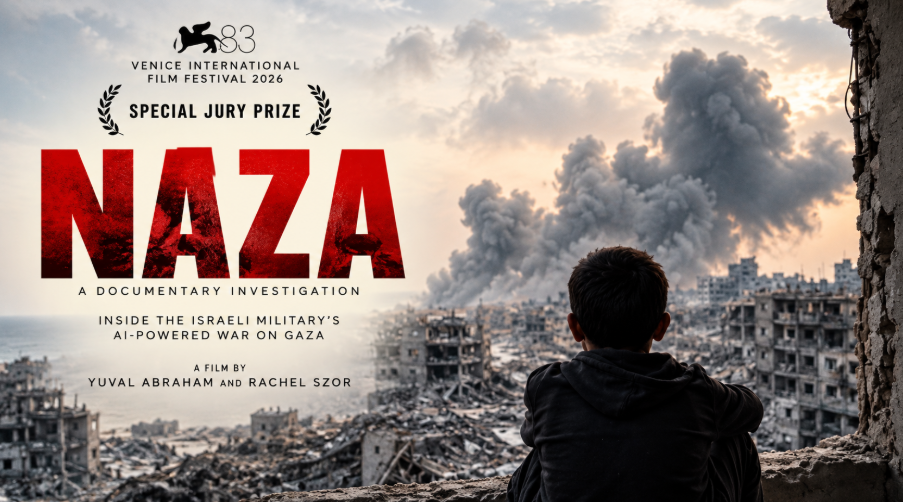
Israeli Prime Minister Benjamin Netanyahu has ordered an investigation into military personnel who anonymously contributed to an award-winning documentary alleging that Israel used artificial intelligence-assisted targeting systems in attacks that killed civilians in Gaza.
The documentary, “NAZA”, features testimony from 24 unnamed Israeli military sources and has triggered an increasingly bitter confrontation between the Israeli government, filmmakers and human rights organisations.
Al Jazeera reported on Monday that Netanyahu had called on Israel's military leadership, domestic security service Shin Bet and attorney general to identify the documentary's participants and investigate possible criminal offences.
The prime minister accused the film's contributors of disclosing sensitive information and damaging Israel's international standing.
The allegations contained in the documentary remain disputed by the Israeli military, which rejects claims that its targeting procedures operated in the manner described by the whistleblowers.
Award-winning filmmakers face citizenship threats
The documentary was directed by Israeli filmmakers Yuval Abraham and Rachel Szor, whose previous work includes the Oscar-winning “No Other Land.”
Produced by The Guardian, “NAZA” received the special jury prize at the Venice International Film Festival in September, where it attracted a standing ovation lasting approximately 25 minutes.
The film examines allegations about the Israeli military's use of artificial intelligence in selecting targets during its operations in Gaza.
Its title refers to an Israeli military term associated with anticipated civilian casualties in airstrikes.
The Guardian reported that Netanyahu had previously announced plans to pursue legislation allowing Israeli citizenship to be revoked from individuals accused of defaming Israeli soldiers or the state internationally.
Culture Minister Miki Zohar separately accused the filmmakers of treason and called for their citizenship to be withdrawn.
However, these statements should not be confused with a court finding that either filmmaker committed treason. No such conviction has been established in the reporting reviewed.
Government seeks identities of military sources
Netanyahu's latest intervention has intensified pressure on the anonymous soldiers and officers whose testimony forms the basis of the documentary.
He has called for investigations into suspected information-security violations, criminal defamation and damage to Israel's diplomatic and security interests.
Israeli military chief Eyal Zamir has also ordered an investigation into suspected leaks of classified information associated with the film.
The military maintains that decisions to select and authorise strikes are made by human personnel in accordance with its procedures.
It has rejected the documentary's central allegations, describing some of the whistleblowers' assertions as contradictory and unfounded.
The filmmakers and their supporters argue that the testimony raises matters of substantial public interest concerning the conduct of military operations and civilian casualties.
Rights groups condemn threats
The controversy has extended beyond the documentary's contents to the treatment of its directors.
The Guardian reported that the filmmakers had received threats and that demonstrations had taken place outside addresses associated with their families.
A mural in the Israeli city of Ashdod depicted the directors alongside accusations of treason.
Forty-three Israeli human rights organisations issued a joint statement condemning the threats and opposing attempts to prosecute the filmmakers or their sources . More than 1,500 Israeli filmmakers also signed a petition defending freedom of expression and supporting Abraham and Szor.
The Guardian, which produced the documentary, has defended the film's reporting and the confidentiality of its sources.
The dispute raises important questions about the protection of journalistic sources, freedom of expression, national security and the legal treatment of military whistleblowers.
The central distinction is between investigating potentially unlawful disclosure of classified information and criminalising participation in journalism concerning matters of public interest.
Sources: Al Jazeera and AFP, 12 October 2026; The Guardian, 16 September and 12 October 2026; statements attributed to the Israeli government, Israeli military and Israeli human rights organisations.