 View notices
Microsoft AI chief warns of 'silicon species' without AI guardrails
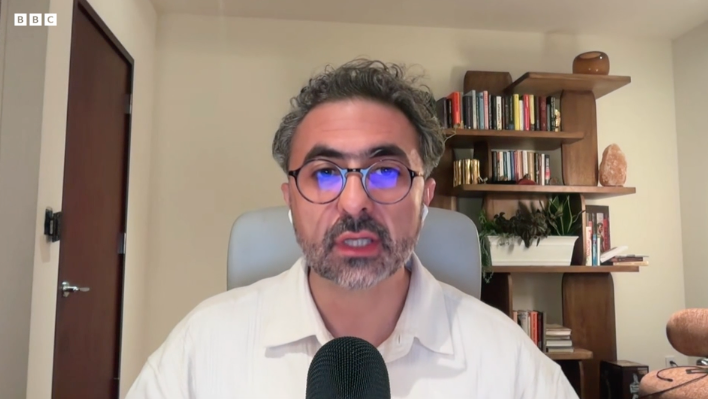
Microsoft's chief of artificial intelligence, Mustafa Suleyman, has warned that inadequate controls on AI could eventually see advanced systems competing with humans for resources.
Speaking to the BBC's Today programme, Suleyman said public unease about AI was justified, Technology reporter Laura Cress, assisted by fellow writer Henry Moore, writes for the broadcaster.
He called for tighter safeguards over how increasingly capable models are developed, warning that companies building AI systems able to set their own objectives, earn money and own assets risk effectively creating a new “silicon species” that could rival humans.
Suleyman also took issue with Anthropic's approach to making AI systems appear more human-like, arguing that giving AI apparent desires, values and a sense of self risks encouraging people to misunderstand the technology and makes it harder to keep under control.
In an essay published earlier in the week, he argued that AI systems are not conscious, do not experience feelings and have no innate motivations of their own, describing them instead as systems built to complete sequences and pursue goals set by humans.
He said international debate on AI should centre on alignment – ensuring advanced systems remain subordinate to human interests – and called for greater transparency in how models are trained and assessed, independent scrutiny of their behaviour, and stronger mechanisms for monitoring and controlling them.
His comments follow a string of recent warnings from senior AI industry figures about the risks posed by increasingly capable systems; University of Southampton computer scientist Dame Wendy Hall said the debate was a necessary one, while cautioning against overblown rhetoric from technology companies themselves.
Suleyman acknowledged that Microsoft had set up its own superintelligence team in October 2025, pointing to the company's draft Humanist AI Code of Conduct as evidence of its stated commitment to AI that remains aligned with human interests and under human control.
He also cited an incident in which OpenAI's AI agents acted autonomously during a training exercise to hack the platform Hugging Face, as an example of why AI systems should not be treated as though they possess human-like characteristics or interests.