 View notices
Lost refining capacity cost consumers R76bn in extra fuel imports
Oil imports alone accounted for 6% of Gross Domestic Product in 2022.
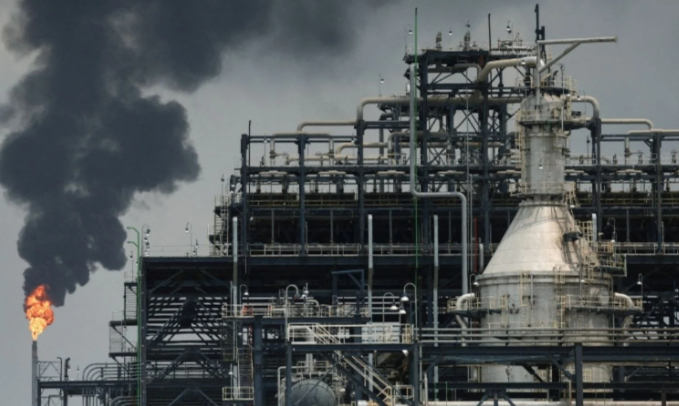
South Africa paid R76.04 billion in avoidable costs on refined petroleum imports between 2021 and 2024 – roughly R19 billion a year, or 0.3% of GDP – as a result of the country's shrinking refining capacity.
The figures come from a September 2026 economic bulletin published by the South African Reserve Bank, authored by researchers Mathias Manguzvane, Palesa Mnguni, Mapule Mofokeng and Nkhetheni Nesengani.
Bianke Neethling reports for Daily Investor that the bulletin found that South Africa's installed crude refining capacity of 525,000 barrels a day now yields output of less than half that – around 250,000 barrels a day – after a decade of refinery closures and repurposing.
As a result, imported refined products now supply more than half of domestic fuel demand.
Because refined products require additional processing, they cost more per barrel than crude oil – an average premium of 12%, or R156 a barrel, between 2014 and 2024.
With refined imports rising to between 69% and 81% of South Africa's total oil import volume from 2021 to 2024, against a historical baseline closer to 25%, the researchers calculated that restoring a 75%-crude, 25%-refined import split over that period would have cut the country's oil import bill by 6.1% and saved the R76 billion figure.
Oil imports alone accounted for 6% of GDP in 2022.
The researchers warned that the shift has also left South Africa more exposed to external shocks and rand volatility, widening the trade deficit and adding structural pressure to the current account.
“The shift towards refined-fuel imports has heightened South Africa's vulnerability to external shocks,“” the researchers wrote, adding that this dynamic amplifies the impact of rising global oil prices on the import bill and, in turn, on inflation via a weaker rand.
They called for stronger investment in fuel logistics, storage infrastructure and supply-security mechanisms to help stabilise the country's energy system as import dependence grows.