 View notices
Is South Africa heading for a tax revolt?
Sars estimates that around R800 billion remains owed and uncollected, equivalent to roughly 12% of GDP
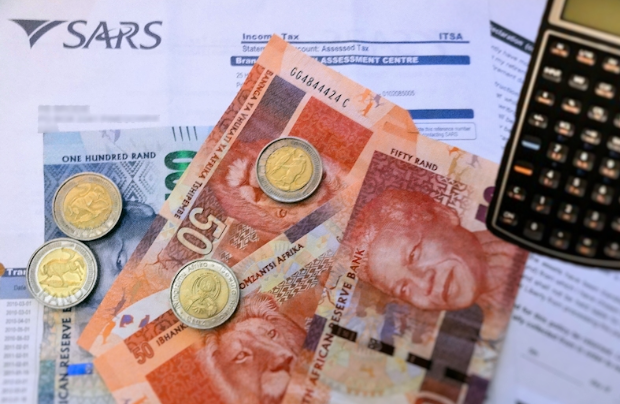
Growing frustration among South African taxpayers has prompted repeated warnings from economists that the country risks a widening tax revolt, though the picture on the ground looks less like outright refusal to pay and more like a steady erosion of compliance.
At the centre of the concern is South Africa's narrow tax base.
Roughly 2.4% of taxpayers account for about 77% of all personal income tax collected, with high earners taxed at a rate of 41%, according to Daily Investor.
Efficient Group chief economist Dawie Roodt has warned that the country is already past the point where further increases to personal and corporate tax rates would generate meaningful additional revenue, arguing instead that higher rates would simply make it more financially worthwhile for individuals and businesses to invest in reducing their tax exposure.
Roodt has also pointed to a pattern of what he calls "double taxation," in which high-income earners pay for private healthcare, private security and private schooling to compensate for deteriorating public services, on top of an already substantial tax bill.
The South African Revenue Service (Sars) faces a significant compliance gap as a result. The tax authority estimates that around R800 billion remains owed and uncollected, equivalent to roughly 12% of GDP, according to Tax Consulting South Africa.
In response, Sars has indicated that non-compliance will increasingly be met with criminal sanction as it comes under pressure from the National Treasury to raise more revenue from a stagnant economy.
Unlike income tax, where Sars retains far-reaching legal powers to collect what is owed, including the ability to withdraw funds directly from taxpayers' bank accounts, resistance elsewhere in the system has proven harder to enforce.
The clearest example is Gauteng's e-toll system, which collapsed after roughly 90% of motorists simply stopped paying. The system was formally scrapped in early 2024, more than a decade after it launched, leaving the Gauteng provincial government with billions of rands in accumulated debt, BusinessTech reported.
More localised versions of this pattern have since emerged. In some municipalities, ratepayer associations have withheld payments in formal disputes lodged under the Municipal Systems Act, citing concerns over financial mismanagement and a lack of trust in how funds are administered, rather than declining to pay altogether.
Illicit trade has also chipped away at the tax base. An estimated R24 billion a year is lost to unpaid excise on illegal cigarettes, a black market that took hold during Covid-era sales bans and has persisted even after those restrictions were lifted.
Taken together, analysts caution that South Africa is not experiencing an organised, coordinated tax revolt so much as a gradual decline in tax morality, driven by a shrinking formal base, weak economic growth and a widening gap between what taxpayers pay and the services they receive in return.