 View notices
IEA cuts 2026 oil demand outlook on Hormuz disruptions, fuel price pressures
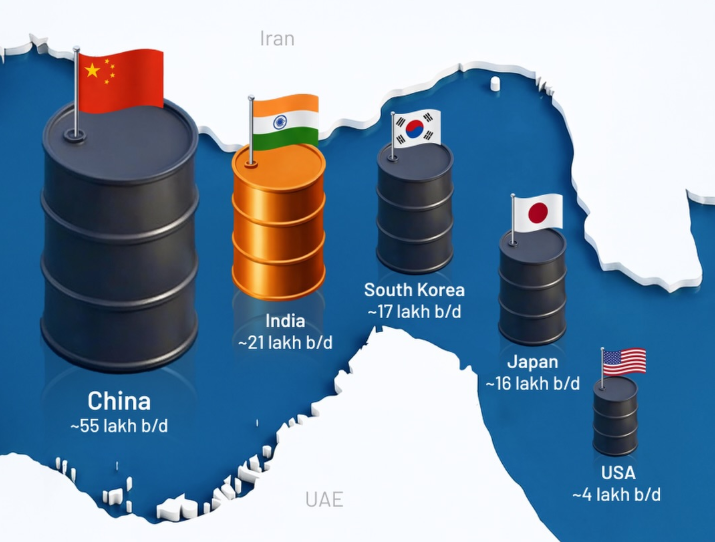
The International Energy Agency (IEA) has downgraded its forecast for global oil demand this year, citing ongoing disruptions to exports through the Strait of Hormuz and elevated fuel prices.
In its latest Oil Market Report, published on Wednesday, the IEA said global oil demand is now expected to decline by 1.56 million barrels a day in 2026, around 510,000 barrels a day steeper than its previous forecast, bringing total demand to 103.29 million barrels a day.
The agency said demand fell by 4.9 million barrels a day year-on-year in the second quarter, and forecast this contraction would ease to 2.8 million barrels a day in the current quarter, before demand returns to growth of around 580,000 barrels a day in the final quarter of the year.
The IEA's outlook assumes a gradual de-escalation between the US and Iran will allow oil flows to recover in the coming months, Aydin Calik reports for Argus Media.
On that basis, it forecasts global demand will grow by 2.4 million barrels a day to reach 105.7 million barrels a day in 2027.
A recovery in shipping traffic through the Strait of Hormuz would reverse this year's projected global supply contraction of around 4.3 million barrels a day into supply growth of 8.3 million barrels a day in 2027, the agency said. That shift would turn a projected supply deficit of 1.3 million barrels a day in 2026 into a surplus of 4.6 million barrels a day in 2027, allowing countries to rebuild both strategic and commercial oil stocks.
The IEA said a potential supply overhang of up to 4 million barrels a day from the fourth quarter of 2026 could see global stocks return to February 2026 levels by the middle of next year, and rise a further 1 billion barrels above that level by the end of 2027.
Global stocks have been drawn down at a rate of 2.7 million barrels a day between February and July, the agency said, leaving observed stocks below 7.9 billion barrels for the first time since April 2025.
The IEA added that the ongoing disruptions through the Strait of Hormuz are prompting countries to expand their oil storage capacity as a hedge against future supply shocks.
SOURCE LINK: Argus Media