 View notices
Hung-council pressure weighs on rand as coalition deadline nears
Uncertainty over who will govern South Africa’s hung municipal councils added to pressure on the rand on Thursday, as talks over Johannesburg and two other Gauteng metros entered a crucial stage.
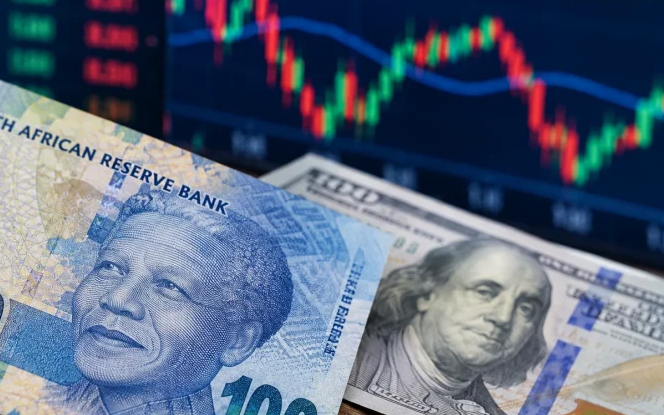
The rand touched R17.36 to the US dollar, its lowest level in more than a year, before the South African Reserve Bank narrowly voted to keep interest rates unchanged.
Investors are watching whether parties can form stable administrations in Johannesburg, Tshwane and Ekurhuleni after this month’s local elections left the metros without outright winners.
The negotiations are also being watched for signs of strain between the ANC and the Democratic Alliance, which share power in the national Government of National Unity.
In Johannesburg, the DA finished first with about 35% of the vote, followed by the ANC on 20% and ActionSA on 16%. ActionSA national chairperson Michael Beaumont told Reuters on Thursday that negotiators were close to a deal involving the ANC, ActionSA, the Economic Freedom Fighters and uMkhonto weSizwe. He said the proposed agreement could extend to Tshwane and Ekurhuleni. The parties had yet to announce a signed agreement.
Adam Phillips of Umkhulu Treasury told Reuters that the local elections and falling commodity prices were both weighing on the currency. The rand traded at R17.3050 to the dollar at 16:20 South African time, off its early low. At the time of Reuters’ afternoon report, the JSE Top 40 was down 0.4%, while the yield on South Africa’s benchmark 2035 government bond had fallen seven basis points to 8.64%.
Reserve Bank splits 4–3 as inflation rises
The SARB held the repo rate at 7.25%, leaving the prime lending rate at 10.75%. Four members of its Monetary Policy Committee voted to hold, while three favoured a 25-basis-point increase. The decision was widely expected among economists polled by Reuters, although PSG chief economist Johann Els said the close vote sent a “slightly hawkish signal”.
The decision came a day after Statistics South Africa reported that annual consumer inflation had climbed to 5.2% in October from 4.5% in September, reaching its highest level in nearly two and a half years. Fuel prices rose 11.8% in a single month and were 42.9% higher than a year earlier. Transport alone accounted for 2.1 percentage points of the headline inflation rate.
Governor Lesetja Kganyago said monetary policy was already moderately restrictive after two increases this year. The Bank expects inflation to remain around 5% into early 2027 before easing as the annual figures start to reflect comparisons with this year’s higher fuel prices.
It forecasts average inflation of 4.0% in 2027, above its 3% target. While its projection model points to lower rates next year, Kganyago signalled that the committee was prepared to raise them again if inflation pressures persisted. The next decision is due on 28 January.
Strong dollar compounds pressure
The dollar held near a 19-month high early on Friday as investors sought safer assets and priced in a quarter-point US Federal Reserve rate increase in December. A US hike would narrow the interest rate gap with South Africa if the SARB keeps rates steady, reducing some of the yield advantage that can draw investors to rand assets.
The stronger dollar and prospect of higher US rates also weighed on gold, a key South African export. Spot gold fell 1.9% to about $3,552 an ounce at 04:57 South African time on Friday and was down about 8.9% for the week. Kyle Rodda, senior financial market analyst at Capital.com, told Reuters that forced selling appeared to be adding to the pressure.
For households and businesses, the SARB decision leaves repayments on prime-linked debt steady for now. The weaker rand raises the local cost of dollar-priced imports, overseas travel and new offshore investments. It can also lift the rand value of existing unhedged dollar assets, depending on how the underlying investments perform.
Sources: Reuters, South African Reserve Bank, Statistics South Africa, Mail & Guardian.