 View notices
Fuel price relief ruled out – Godongwana
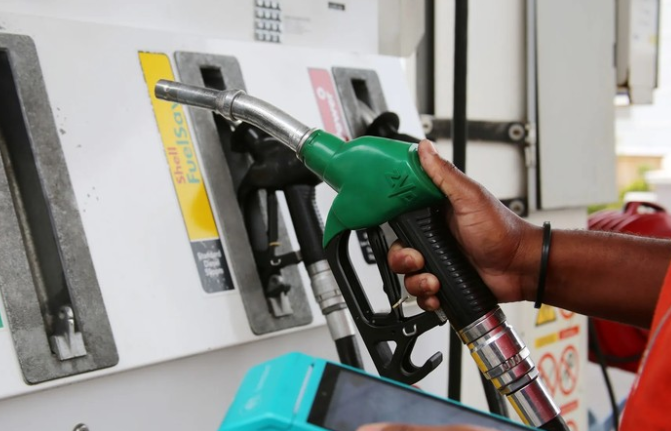
South Africans face record petrol prices from the beginning of October, with diesel also set to approach its all-time highs, but the government has ruled out further relief measures to cushion the impact on consumers.
Responding to a parliamentary question this week, Finance Minister Enoch Godongwana said offsetting the increases through the budget was not a straightforward option from a fiscal perspective, noting that permanently absorbing the cost would ultimately shift the burden to taxpayers or increase government borrowing.
He said fiscal policy involved trade-offs, and that providing additional consumer relief had to be weighed against other spending priorities, taxation and borrowing.
South Africans currently pay a general fuel levy of R4.10 per litre for petrol and R3.93 per litre for diesel.
When fuel prices first spiked in April, following the start of the Middle East war in late February, government responded with fuel tax cuts of R3.00 per litre for petrol, extended to R3.93 for diesel in May. That relief was phased out between June and July as a temporary truce between the US and Iran eased international oil prices.
With Brent crude having risen steadily over the past month amid renewed tensions, edging above $100 a barrel this week, September's price hikes of R1.24 for petrol and up to R3.15 for diesel look set to be followed by a further round of increases.
Early data from the Central Energy Fund points to petrol price increases of around R2.00 for 95 Unleaded and R1.88 for 93 Unleaded from October. This would push the price of 95 ULP to R28.05 at the coast and R28.92 inland in Gauteng, surpassing June's all-time highs of R27.19 and R28.05 respectively.
Diesel is also expected to rise significantly, with projected increases of between R1.50 for 500ppm and R1.80 for 50ppm. This would take the price of 50ppm to R30.29 at the coast and R31.85 inland, close to the all-time highs of R30.62 and R31.38 recorded earlier this year.
The projections are based on early-month data and remain subject to change ahead of the final adjustment at the end of the month.
Higher fuel prices tend to filter through to broader inflation, raising transport, food and other costs as they move through supply chains, while leaving consumers with less disposable income for other spending. The Reserve Bank has previously warned that rising fuel prices can add to inflationary pressure while weakening household consumption and economic growth.