 View notices
Fuel price hike adds pressure to farmers ahead of summer planting
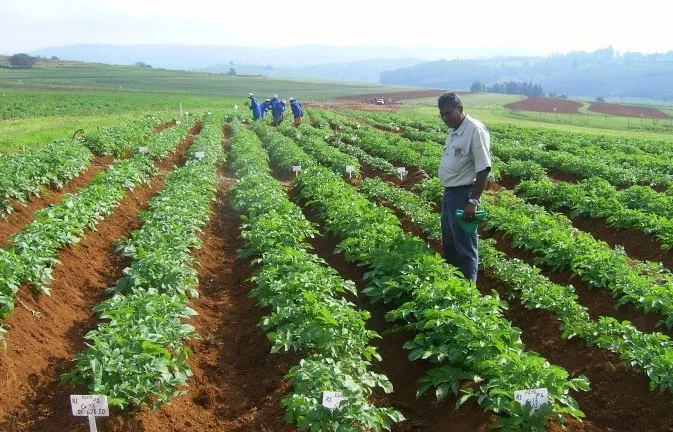
South African farmers are facing mounting cost pressures ahead of the 2026-2027 summer crop season following a sharp increase in fuel prices this week.
From midnight on Wednesday, petrol prices increased by R1.34 a litre, while diesel rose by between R2.94 and R3.15 a litre, adding to the financial burden on farmers preparing for the planting season.
Paul Makube, senior agricultural economist at FNB Commercial, said the latest increases came at a particularly difficult time for the sector, with summer crop planting and other diesel-intensive activities set to increase significantly.
He told Newzroom Afrika that consecutive diesel price increases were squeezing producers’ margins, particularly because commodity prices were not rising in tandem with input costs.
Farmers had limited ability to pass on higher production costs because they were price takers, Makube said, although the additional costs would eventually filter through various levels of the value chain, including manufacturing, transport and distribution.
He warned that farmers could face a serious cost squeeze if commodity prices failed to rise alongside escalating input costs.
Makube said diesel prices had increased by more than 50% year-on-year, while some farmers were facing fuel cost increases of more than 70%. This was placing significant pressure on already constrained profit margins.
The outlook is further complicated by the prospect of El Niño-related drought conditions, which could affect agricultural production and make the coming season even more challenging for farmers.
Higher diesel prices are also likely to increase costs for transporters, agricultural contractors and input suppliers. While food prices may not rise immediately, sustained increases in fuel costs could gradually feed into the cost of transporting, processing and distributing food.
Makube said further price increases could eventually affect both consumer demand and producers’ margins.
He added that good harvests had helped contain food inflation, but warned that elevated international crude oil prices could threaten this trend.
Higher fuel costs could ultimately translate into increased food prices if farmers were unable to expand production because of rising input costs. This could become particularly significant if adverse weather conditions also constrain agricultural output during the coming season.