 View notices
Eisenkot’s Netanyahu refusal stalls Israeli coalition talks
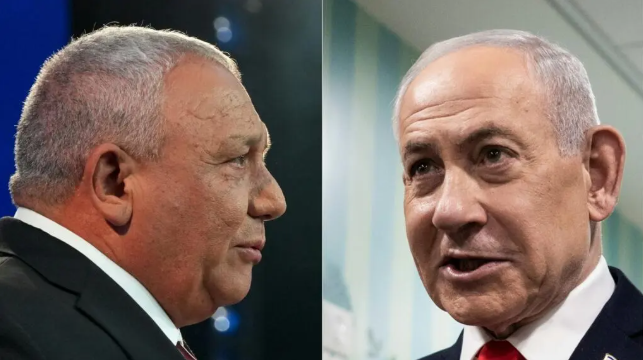
Israel faces weeks of coalition bargaining after the 27 October election left neither prime minister Benjamin Netanyahu nor his main challenger, Gadi Eisenkot, with a route to a majority in the 120-seat Knesset.
Netanyahu’s bloc won 53 seats and the opposition bloc led by Eisenkot won 48, short of the 61 needed. Arab-led parties took a record 19 seats between them.
Netanyahu has appealed for a strong right-wing government and warned against reliance on non-Zionist parties, many of them Arab-led. Allies have also floated a unity arrangement with Eisenkot. An Israeli report on Monday said Netanyahu was privately open to a rotation of the premiership.
Eisenkot, a former military chief, has stood by his campaign pledge not to serve in a government led by Netanyahu. He has said it is time for the “coalition of failure” to go, and has repeatedly blamed the 7 October 2023 attacks on the government’s failure of security planning. He has also ruled out relying on Arab-led parties, which makes his own path to 61 difficult.
Netanyahu’s party has intensified claims that the Arab-led parties stole the election. Eisenkot accused the prime minister of an organised campaign to delegitimise the result. Israel’s elections commission said the result would stand even if claims of foreign interference were substantiated.
Eisenkot is seen as more likely than Netanyahu to be given the first attempt at forming a government. A prolonged stalemate could leave Netanyahu in office as caretaker prime minister, or lead to another election.
Sources: Al Jazeera; CNBC; NPR; the Jerusalem Post.