 View notices
Domestic worker jobs hit post-Covid low as joblessness edges higher
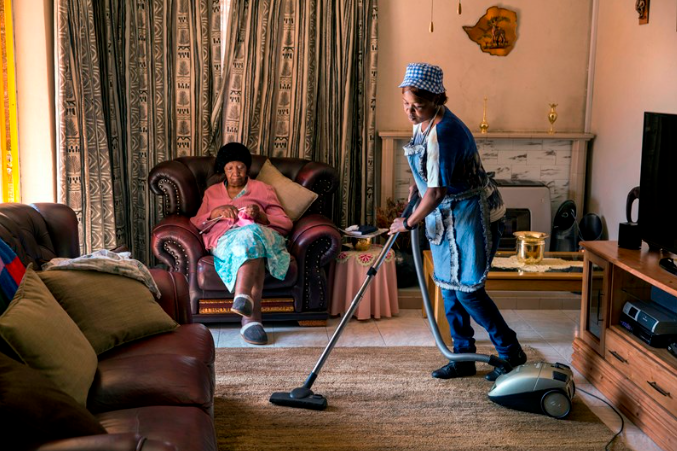
Jobs in private households fell by 68,000 in the third quarter, the biggest drop of any industry, as South Africa’s official unemployment rate edged up to 33.7%, according to Statistics South Africa’s (Stats SA) latest Quarterly Labour Force Survey.
The rate rose by 0.1 of a percentage point from 33.6% in the second quarter, and compares with 31.9% a year earlier. The number of unemployed people rose by 97,000 to 8.6 million, even though employment grew by 101,000 to 16.8 million. The labour force expanded by 198,000 over the quarter, outpacing job creation.
Discouraged jobseekers rose by 70,000 to 3.7 million. The broader measure of labour underutilisation, which includes people working fewer hours than they want and those available but not searching, was unchanged at 46.3%.
The formal sector added 268,000 jobs to reach 12.3 million, led by finance, manufacturing and mining. The informal sector shed 98,000 jobs, and agriculture and construction also lost jobs.
Domestic work was among the hardest hit. BusinessTech’s analysis of the data found that the number of domestic workers fell by 31,000, or 3.7%, to 800,000, the lowest since 2020. That is 48,000 fewer than a year earlier, a drop of 5.6%, and about 21% below the level before the pandemic, when there were roughly a million. It follows a fall of 14,000 in the previous quarter.
Stats SA does not say why the jobs went. Households cutting costs, emigration and anti-foreigner sentiment have all been cited as possible reasons, along with proposed legislation that would penalise any employer, private households included, who hires workers without the legal right to work in South Africa.
The next labour force survey, covering the fourth quarter, is due in February 2027.
Sources: Stats SA, SAnews, EWN, IOL, BusinessTech.