 View notices
Deportation numbers rise sharply across 11 countries between 2024 and 2026
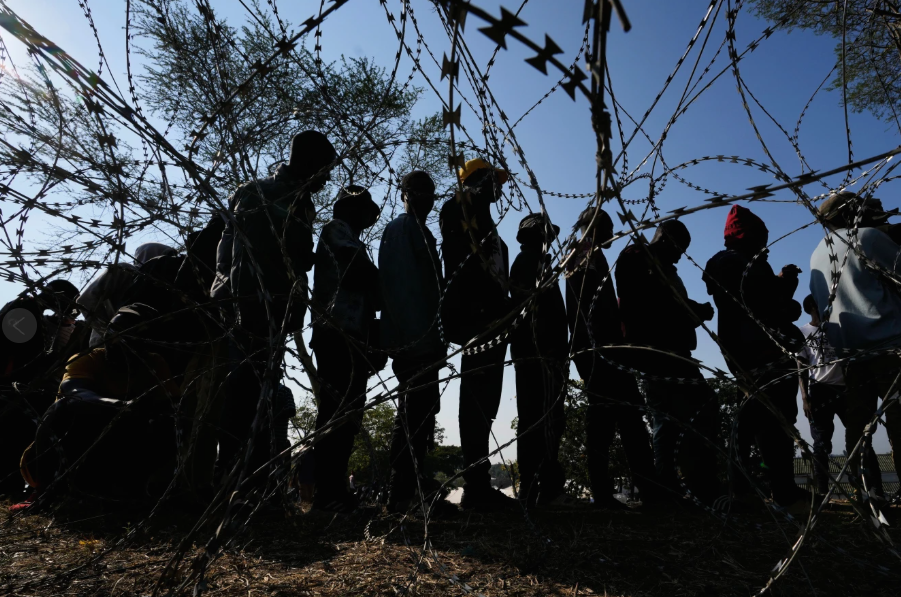
Governments across the world sharply escalated the removal of undocumented and irregular migrants between 2024 and 2026, according to an analysis of 11 countries: South Africa, the United States, Iran, Pakistan, Türkiye, Germany, France, the United Kingdom, Malaysia, Oman and Kuwait.
In the United States, mass deportation became central government policy following Donald Trump's 2024 election victory, says Cole Jackson, international relations director at Sekunjalo Group.
South Africa recorded more than 109,000 deportations across the 2024/25 and 2025/26 periods.
Unemployment in the country stood at 33.6%, with youth unemployment at 47.4% in the second quarter of 2026.
Iran deported approximately 1.26 million Afghans in 2025, while Pakistan deported around 155,000 Afghans the same year, with removals continuing into 2026.
Germany recorded 22,787 deportations in 2025, with immigration a major issue in the country's February 2025 federal election.
France recorded more than 23,000 removals in 2025, following its 2024 legislative elections. In the United Kingdom, irregular Channel crossings and asylum claims have become prominent political issues since the 2024 general election.
Malaysia has carried out large-scale deportations of undocumented workers, particularly from Indonesia, Myanmar and the Philippines.
In Oman, deportations are linked to the country's Omanisation policy, aimed at increasing employment opportunities for citizens. Kuwait deported nearly 40,000 expatriates in 2025, with further removals continuing in 2026.
Jackson argues that irregular migration can create genuine, specific pressures – on jobs, housing, healthcare, education and local services, as well as legitimate security and border-management concerns – without being the underlying cause of a country's broader domestic crisis.
He points out that deeper problems such as unemployment, inflation, weak growth, public debt and failing infrastructure generally have separate causes: South Africa's 33.6% unemployment rate, for instance, cannot be explained by undocumented migration, any more than Britain's housing crisis, America's public debt, Germany's industrial difficulties or Iran's sanctions-driven economy can be attributed primarily to migrants.
This distinction, Jackson maintains, does not undermine states' sovereign right to control their borders and require those with no lawful basis to remain to leave – a right he says is essential to preserving public confidence in government.
But he argues enforcement need not come at the expense of humanitarian principles, given that many migrants flee poverty, conflict or persecution, and calls on governments to distinguish between immigration status and criminality, uphold due process, and protect genuine refugees and vulnerable children.
His conclusion rejects both open borders and indiscriminate deportation: the strongest case for removal, he says, rests not on blaming migrants for a country's problems but on a state's right and responsibility to determine who may lawfully reside within its borders, exercised firmly enough to uphold the law but fairly enough that desperation is not criminalised and enforcement does not substitute for tackling the domestic problems citizens actually face.