 View notices
Demand fears and US crude build push oil lower amid ongoing Hormuz tensions
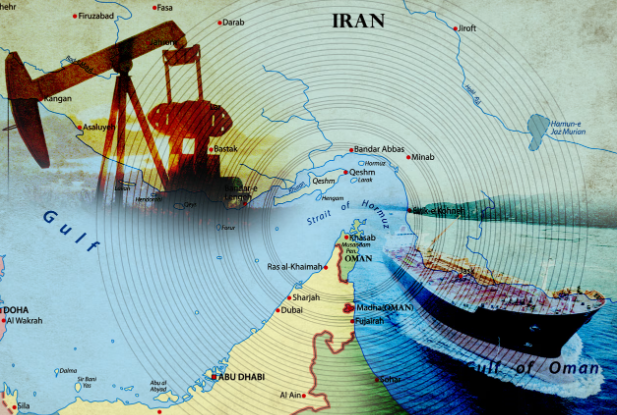
Oil prices fell on Thursday as investors weighed weaker global demand prospects for the year ahead alongside a sharp rise in US crude stocks, even as ongoing disruption to the blockaded Strait of Hormuz and a lack of progress in talks over the region continued to offer some support to prices.
Brent futures dropped $1.66, or 1.9%, to $87.32 a barrel by 0935 GMT, trimming gains built up over the previous six sessions. US West Texas Intermediate crude fell $1.62, or 1.95%, to $81.65, following five consecutive sessions of gains.
UBS analyst Giovanni Staunovo said the large build in US crude stocks presents a headwind for prices, though he noted the downside should remain limited as long as flows through of Hormuz stay depressed.
US commercial crude oil inventories recorded their largest weekly increase since January 2023, according to data released by the Energy Information Administration on Wednesday, as exports slumped. Inventories rose by 17.4 million barrels to 424.4 million in the week ending 7 August, their highest level since 5 June, far exceeding a Reuters poll that had forecast a 1.4 million-barrel draw.
On the same day, OPEC further lowered its 2026 global oil demand growth forecast to 580,000 barrels per day in its latest monthly report. The International Energy Agency also revised its outlook, now expecting a contraction of 1.6 million barrels per day in consumption this year, up from a forecast contraction of 1 million barrels per day the previous month, citing demand curtailed by higher prices and supply constraints linked to the US-Israeli conflict with Iran.
Supply disruptions across the Middle East and Black Sea continued to underpin prices. A senior Iranian source said on Wednesday that there had been no progress in talks to revive an interim US-Iran deal agreed in June, with no timeframe yet established for its implementation. Vessel crossings through the Strait of Hormuz, excluding container ships, fell to five on Wednesday, their lowest level in three weeks, according to shipping data from Kpler.
Elsewhere, Russia struck the area around Ukraine's Izmail port in the southern Odesa region overnight, while a drone attack sparked a fire in an industrial area of Salavat, in Russia's Bashkortostan republic, home to a major oil refinery.