 View notices
Chlorination failure linked to Tshwane illness outbreak
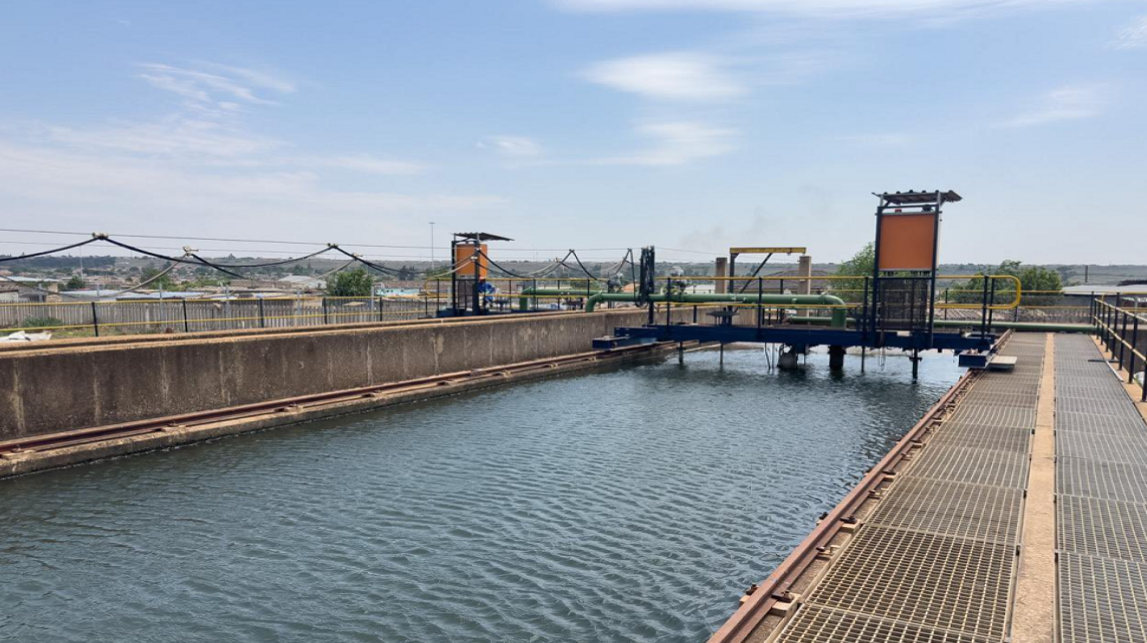
A failure to chlorinate water supplied to communities in eastern Tshwane has been linked to 408 cases of gastrointestinal illness, most involving children under four.
A joint statement issued on 19 October by national government, the Gauteng provincial government and the City of Tshwane said investigations had connected the illnesses to contaminated water from the Bronkhorstspruit Water Treatment Works.
The cases were recorded between 7 and 18 October among patients from Bronkhorstspruit, Zithobeni, Dark City, Rethabiseng and Sokhulumi. No deaths had been reported.
The Department of Water and Sanitation found that difficulties with the municipality’s chlorine supplier resulted in water leaving the treatment works without chlorination between 24 September and 14 October.
Tests also detected extremely high levels of E. coli and total coliforms in water from the plant and the Ekandustria and Zithobeni reservoirs.
Authorities said laboratory findings from patients and water samples indicated that exposure to contaminated municipal water had caused the illnesses. No cholera bacteria were detected in the stool specimens tested.
The investigation found that Tshwane had failed to warn affected residents that their water had not been chlorinated. Faulty pumps, sand filters and other equipment were also identified at the treatment works.
The plant was closed on 14 October. Chlorine supplies were restored by 15 October and water distribution resumed on 16 October, but authorities warned that the supply remained unsuitable for normal household use.
Residents supplied by the affected works have been instructed to use tap water only for flushing toilets. It must not be used for drinking, cooking, bathing, brushing teeth, washing food or washing clothes.
Municipal tankers are providing drinking water from the Cullinan treatment works, which authorities said had passed safety tests.
An independent investigation into the contamination is due to report by 28 October. Authorities have not provided a date for restoring safe tap water.
Sources: Joint government statement on Bronkhorstspruit water, 19 October.