 View notices
Ageing eThekwini wastewater network raises alarm as repairs continue
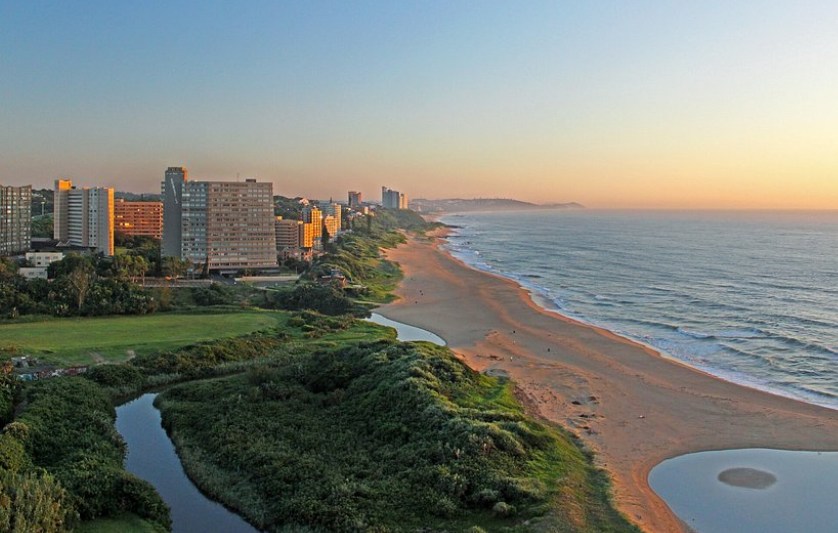
The eThekwini Metropolitan Municipality’s ageing wastewater infrastructure has been described as a potential “disaster waiting to happen”, despite ongoing efforts to repair and strengthen the city’s sanitation network.
Deputy Minister of Water and Sanitation Jack Bloom has been conducting oversight inspections of municipal infrastructure this week, including a visit to Amanzimtoti, south of Durban, on Friday, EWN reported.
The area has been affected by sewage leaks that have caused a persistent foul smell, while concerns have also been raised about deteriorating river water quality and elevated E. coli levels at some beaches.
Amanzimtoti, whose name means “clean water”, was historically associated with its pristine blue beaches. However, ageing wastewater pipes and sewage leaks have increasingly affected the surrounding environment.
Sibusiso Vilane, deputy director of eThekwini Municipality’s Sanitation Services, said the city had about eight kilometres of sea outfall pipelines requiring replacement. He said the pipes had been identified in Green Drop assessments as a source of leaks affecting the marine environment and warned that substantial capital investment would be needed to address the problem.
Vilane also identified vandalism, alongside ageing infrastructure, as a major challenge facing the municipality’s water and sanitation network.
The concerns come as eThekwini reports progress in its broader sanitation recovery programme, the government reported on Thursday via SA News.
In an update to the Presidential eThekwini Working Group’s Water and Sanitation Workstream this week, the municipality said the number of fully functional pump stations had increased from 235 in June to 239.
It said about 80% of wastewater flows lost during the floods had also been recovered, with work continuing to restore the remaining affected infrastructure and improve the reliability of the sewer network.
Since 2023, the municipality has undertaken about 21 sewer rehabilitation projects at a cost of more than R141 million. The work has included replacing sewer pipes, constructing pipe bridges, rebuilding manholes and river crossings, and restoring other damaged infrastructure.
Long-term rehabilitation is also under way at key facilities, including the Northern, Umbilo and uMhlanga wastewater treatment works, while pump stations are being refurbished and preventative maintenance programmes expanded to reduce equipment failures and sewer overflows.
The municipality said most of Durban’s bathing beaches remained open and safe for swimming, with recent water quality monitoring showing low E. coli levels at most beaches.
It said it would continue working with the national government and other stakeholders through the Presidential eThekwini Working Group to accelerate the recovery and renewal of sanitation infrastructure while maintaining environmental compliance and reliable services.