 View notices
Markets update: oil surges as US-Iran tensions flare again
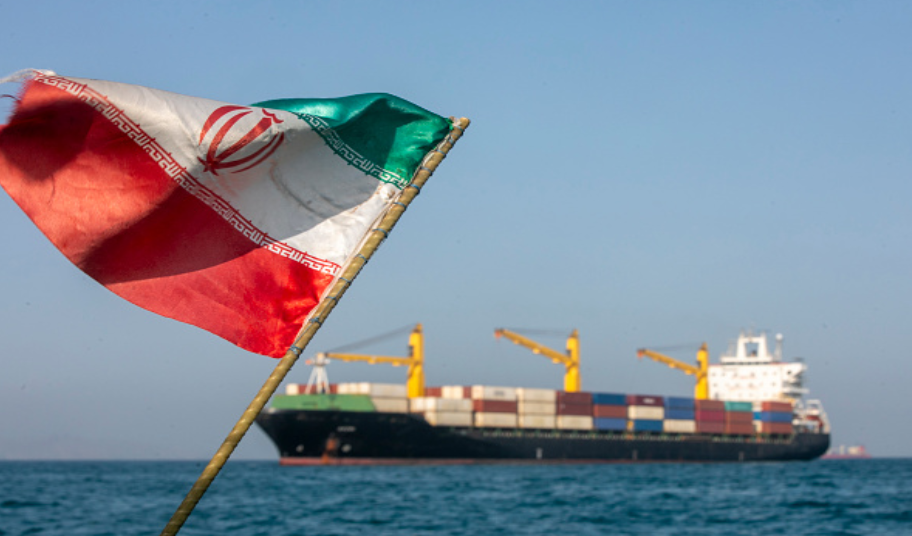
Global markets moved cautiously through the last 24 hours, as renewed military exchanges between the United States and Iran pushed oil prices sharply higher and reignited inflation concerns just as investors look ahead to next week's US Federal Reserve decision.
Oil jumps on Strait of Hormuz fears
Brent crude pushed above $91 a barrel on Tuesday, extending gains from Monday's session after Washington and Tehran exchanged strikes for the first time in roughly a month. Reports pointed to US action against Iranian rocket launchers, with Tehran responding in kind, stoking fresh concern over the security of the Strait of Hormuz – a route that carries an estimated six to eight million barrels of crude a day. Brent is now roughly 3% higher for August, building on a much larger surge in July.
Gold slips despite safe-haven pull
Gold has not tracked oil's rise. Spot prices eased to around $4,445 an ounce in early Tuesday trade, marking a second straight day of declines, as the same Middle East tensions that are lifting oil are also reinforcing bets that the Fed will raise interest rates in September. Traders are currently pricing in close to a two-thirds chance of a hike, following hawkish comments from Fed chair Kevin Warsh. Higher rate expectations tend to weigh on gold by increasing the appeal of yield-bearing assets, offsetting its usual role as a haven in times of geopolitical stress.
Wall Street closes lower
US equities ended Monday's session in the red, with the Dow Jones Industrial Average down 0.70%, the S&P 500 off 0.33% and the Nasdaq slipping 0.12%, as investors weighed the inflationary implications of the oil spike against underlying economic data. US futures were pointing marginally higher ahead of Tuesday's open.
Rand steady, energy stocks in focus locally
The rand was trading close to R16.00 to the dollar, little changed from Monday's close. On the JSE, the renewed conflict has again put the spotlight on energy counters: Sasol – whose earnings are highly sensitive to the oil price – has been among the more volatile large caps this year on precisely this dynamic, rallying when Strait of Hormuz risk rises and giving back gains whenever ceasefire talk resurfaces. With tensions flaring once more, energy and resource shares are likely to be the ones to watch when local trade gets under way.
SOURCES: CNBC, Trading Economics, FXStreet, FX Leaders.