 View notices
Iran talks lift hopes, yet supply risks keep oil in check
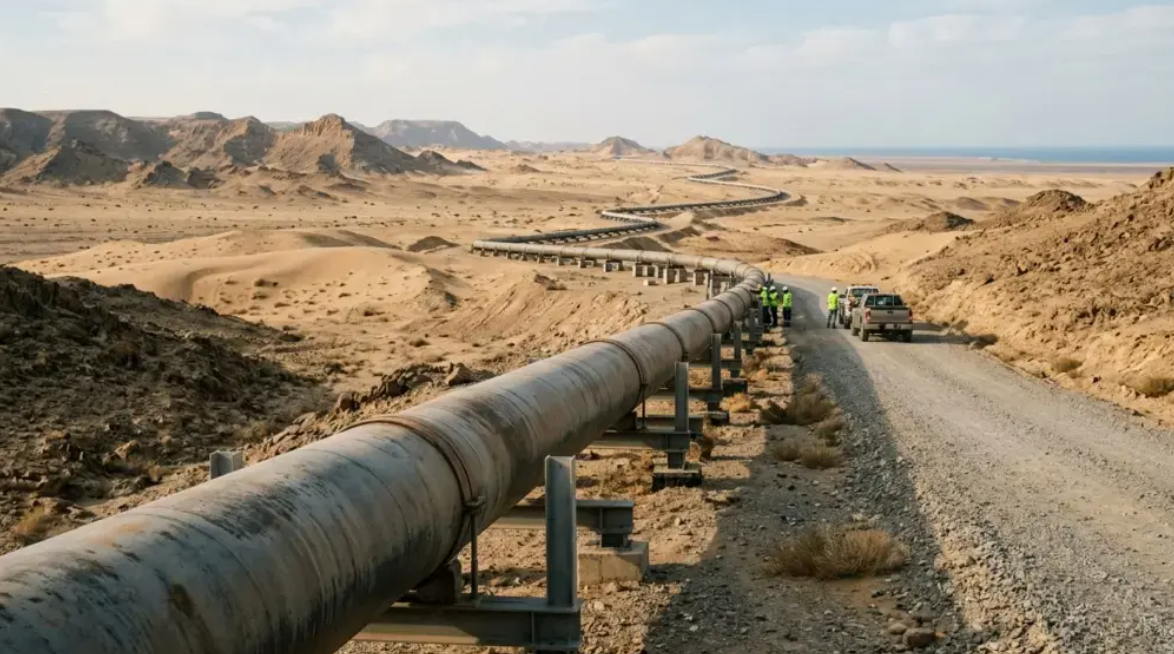
Oil prices slipped on Tuesday as renewed diplomatic efforts raised hopes of easing the Middle East conflict, although attacks on Saudi Arabia and disruption to shipping through the Strait of Hormuz kept supply concerns alive.
Brent crude was trading at $114.81 a barrel at 6.18am South African time, down 0.86%, while US West Texas Intermediate was at $100.88. Brent had risen above $117 last week, its highest level since April, after attacks on tankers near the Strait of Hormuz.
The retreat offers some relief. The rand’s exchange rate against the dollar also affects the price of imported fuel, meaning a fall in crude does not automatically translate into a reduction at the pumps.
Officials from Saudi Arabia, Turkey and Pakistan met Iranian leaders in Tehran on Monday in an effort to reduce regional tensions. The four countries agreed to continue discussions on cooperation, including peace and security, Iranian state media reported.
Qatari mediators had visited Tehran on Sunday. Pakistan and Qatar have led mediation efforts, but an interim agreement reached in June failed to bring a lasting end to the fighting.
The Strait of Hormuz remains central to the negotiations. The waterway carried around a fifth of the world’s energy supplies before the conflict began in February, and its disruption has pushed up oil and gas prices.
ANZ Research said Gulf crude exports had fallen for a fourth consecutive week and that flows through the strait were at about 60% of normal levels.
The diplomatic push comes as fighting continues. Yemen’s Iran-aligned Houthis said on Monday that they had attacked pumping stations on Saudi Arabia’s East-West pipeline and Riyadh airport. Reuters reported that there was no immediate Saudi confirmation of those claims.
The East-West pipeline provides Saudi Arabia with a route to move crude towards the Red Sea, bypassing Hormuz. Any sustained disruption to that capacity would add to concerns about oil reaching international markets.
US President Donald Trump has also raised the possibility of further military action against Iran, leaving investors weighing the prospect of renewed strikes against the possibility of a negotiated settlement.
A durable agreement that restores shipping through Hormuz could ease pressure on oil prices. Conversely, further attacks on energy infrastructure or an escalation in the conflict could drive prices higher.
AI lifts market mood
Beyond energy markets, technology shares helped lift investor sentiment after artificial intelligence company Anthropic filed paperwork for a US stock market listing on Monday.
Reuters reported that Asian shares followed Wall Street higher, with South Korea’s technology-heavy Kospi gaining 3.6% in Tuesday trade. The rebound came despite continuing concern about the cost of building AI infrastructure and how quickly companies can turn that spending into profits.
Investors are also watching central banks, including the US Federal Reserve and the Bank of Canada, which are due to announce interest-rate decisions on Wednesday.
Sources: Reuters, oil markets, 27 October; Reuters via ThePrint, Tehran talks and Houthi attacks, 26 October; Reuters, global markets, 27 October.