 View notices
Why advisers must plan for financial decline before incapacity arrives
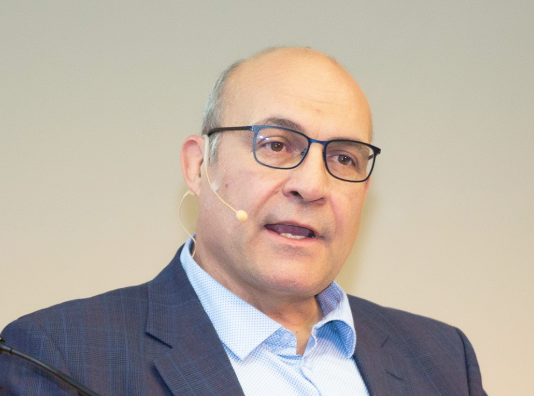
Financial capacity often declines before legal incapacity, and advisers who wait for a formal diagnosis risk failing their clients, says Wessel Oosthuizen, head of financial planning at Fiscal Private Client.
Oosthuizen points to warning signs such as repeated questions, confusion about familiar investments, unusual withdrawals and a new person taking over the conversation. None proves incapacity or abuse, but together they suggest that the advice process must change.
The Older Persons Act 13 of 2006 defines an older person as a man aged 65 or over or a woman aged 60 or over, and recognises economic abuse. It requires anyone who suspects abuse to notify the director-general or a police official. The Older Persons Amendment Act 1 of 2025 has been enacted but has not yet commenced. Once it does, it will set a uniform threshold of 60 and add social workers to those who can receive reports.
Capacity, Oosthuizen stresses, depends on the decision: managing a debit order is not the same as making a large donation. Curatorship is slow and costly, and a power of attorney generally lapses once the principal loses capacity. He says the question should therefore be what support would enable the client to decide, not who can decide instead. Plain language, shorter meetings, written summaries and time to reflect can all help.
He draws on the Financial Sector Conduct Authority’s March 2024 statement on consumer vulnerability and the UK Financial Conduct Authority’s FG21/1 guidance. He recommends replacing the question “Do you understand?” with teach-back, in which clients explain the choice and its consequences in their own words.
His six-step response is to notice, pause, support, verify, document and escalate. Notes should record observable facts, such as a client asking the same question five times, rather than diagnoses.
Oosthuizen also urges advisers to build vulnerability into retirement planning. That means planning for three stages (independence, supported decision-making and care-intensive administration), agreeing triggers for more support, simplifying accounts early and introducing a successor adviser.
Source: Fiduciary Institute of SA & Blue Chip Digital.