 View notices
Hormuz crisis exposes fertiliser as a growing geopolitical risk
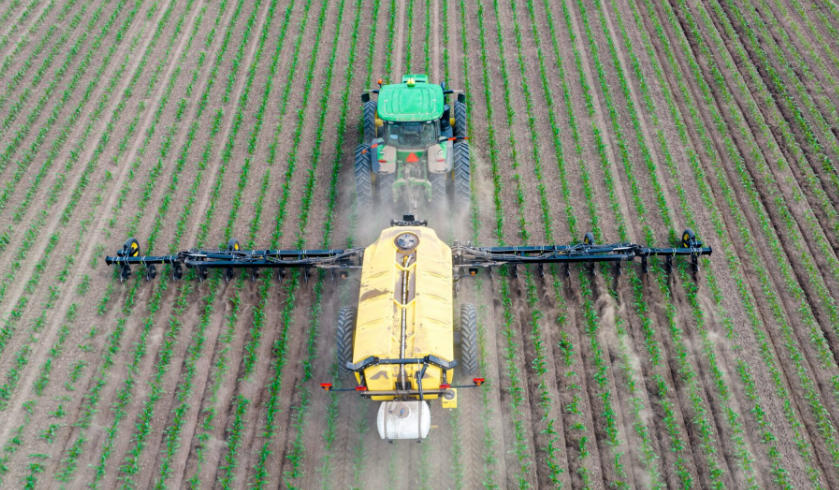
While oil dominated headlines during the recent Strait of Hormuz crisis, fertiliser emerged as the commodity posing the greater long-term threat to global food security.
Although Brent crude rose above $100 a barrel as fighting intensified, before retreating after a pause in hostilities between the United States and Iran, the oil market proved relatively resilient.
Additional crude exports from the United States and South America rose by roughly 267 million barrels in the first five months of 2026 compared with the same period a year earlier, while weaker Chinese demand also helped ease pressure.
Strategic reserves, diversified supply and deep futures markets further cushioned the impact.
Fertiliser markets, however, lack similar safeguards.
Production remains concentrated among a handful of countries. Morocco and China control around three-quarters of global phosphate-rock reserves, while the Gulf accounts for nearly half of global urea exports and is a major supplier of ammonia and sulphur.
Disruptions to the Strait of Hormuz therefore affect production and trade simultaneously, with limited spare capacity elsewhere to offset shortages.
Supply pressures intensified as several exporting nations introduced measures to protect their domestic markets. Russia tightened export controls on fertilisers and sulphur, China maintained restrictions on phosphate products, and Kazakhstan suspended sulphur exports.
Morocco’s state-owned OCP, the world’s largest phosphate fertiliser exporter, responded by bringing forward maintenance that affected about 30% of its production capacity.
It also shifted output from diammonium phosphate (DAP) to triple superphosphate (TSP), which requires less ammonia and sulphur.
TSP’s share of OCP’s sales reportedly increased from about one-third to nearly two-thirds within months. This enabled key importers such as Brazil to maintain phosphorus supplies, although at higher application costs.
Unlike oil, fertiliser demand is tied to fixed planting seasons. Delays during the critical July and August shipping period for autumn sowing in the Northern Hemisphere and spring planting in South America can result in missed growing seasons rather than simply higher prices.
Farmers in Thailand and other rice-producing countries have already reduced fertiliser use, cut planted areas or left fields uncultivated because of supply constraints.
Government responses have varied significantly. The European Union released €540 million from its Agricultural Reserve to support farmers, while Australia activated its Fuel and Fertiliser Security Facility to secure approximately 340,000 tonnes of urea imports. The measure reduced domestic prices by 27% within weeks.
India continued to strengthen domestic resilience through subsidies, long-term procurement and investment in local production. This included agreements for 724,000 tonnes a year of green-ammonia supplies under its National Green Hydrogen Mission.
Many developing countries lack the fiscal capacity to implement similar interventions. Although Morocco, Egypt and Nigeria collectively generate an estimated fertiliser trade surplus of $5.8 billion, transport bottlenecks and limited agricultural finance continue to restrict access across Africa.
Transporting fertiliser from Kenya’s port of Mombasa to inland Rwanda, for example, can increase delivered costs by as much as 45%. As a result, farmers across sub-Saharan Africa apply an average of just 22.3 kilograms of fertiliser per hectare — less than one-sixth of the global average.
Bangladesh and Pakistan are particularly vulnerable because of limited domestic production and constrained public finances.
Gas shortages have shut five of Bangladesh’s six major urea plants. The United States Department of Agriculture forecasts the country’s 2026–27 rice harvest at 37.4 million tonnes, with fertiliser shortages and irrigation constraints weighing on output.
In Pakistan, phosphatic fertiliser use has fallen to a seven-year low, while DAP stocks are projected to decline to just 9,000 tonnes by the end of the 2026 kharif planting season.
While oil shocks are typically reflected in higher prices, fertiliser shortages can directly reduce agricultural production by causing missed planting windows, lower crop yields and worsening food insecurity.
The crisis shows that securing access to agricultural inputs is becoming as strategically important as ensuring energy security, particularly for countries with limited capacity to absorb future supply disruptions.
SOURCE: Global Catholic (revised from first version).
LINK: Why fertilizer, not harvests, is the next food security risk - Global Catholic
PHOTO CREDIT: Unsplash