 View notices
FISA’s 16th Annual Conference tackles the changing face of fiduciary practice
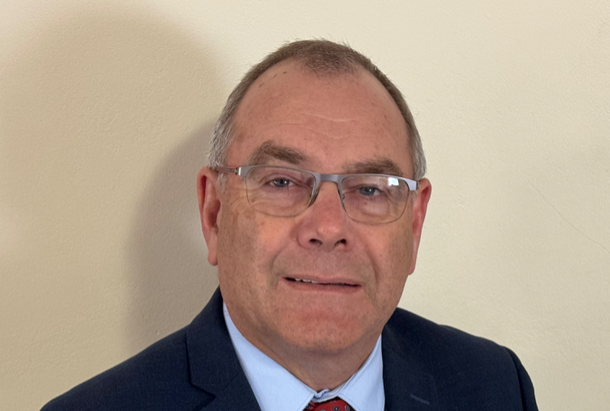
South Africa's fiduciary profession continues to evolve at a remarkable pace, shaped by regulatory reform, technological innovation, increasing compliance obligations and changing client expectations.
Against this backdrop, the Fiduciary Institute of Southern Africa's (FISA) 16th Annual Conference, sponsored by Hollard Court Bonds, which took place on 9 September at the Sandton Convention Centre, addressed some of the issues that matter most to practitioners responsible for protecting clients' wealth and legacies.
The FISA conference has gained a reputation as a landmark event in the fiduciary sector.
Upwards of 350 people attend. This year, with the theme of Risk vs Reward in Fiduciary Practice, the conference aimed, as before, to strike a balance between academic theory and practical application.
The programme reflected an industry that is becoming increasingly complex. Trustees, executors, estate planners and fiduciary advisers must now navigate heightened regulatory scrutiny while continuing to deliver practical, client-focused solutions.
Rather than focusing solely on technical legal updates, the conference explored the broader challenges facing the profession, from governance and risk management to the opportunities presented by artificial intelligence.
Overview of topics and speakers
Opening the programme, Smartryk Calitz, senior manager at Mubesko Africa Business Specialists, presented on “Forensic Shields: Fortifying Estates & Trusts Through Vigilant Practice Management.“
He emphasised that robust governance and forensic-level oversight are essential to protect the individual who ultimately carries responsibility for the processes within their office. Certain practices are simply nonnegotiable. Strengthening governance and applying forensic principles can significantly elevate professional standards within an estate and trust practice.
This was followed by a panel discussion on trusts, with panellists Phia van der Spuy (founder of Trusteeze), Dr Rika van Zyl (senior lecturer at the UFS School for Financial Planning Law) and Johnny Davis (Head of PH Fiduciary).
The panel discussed the topic “Is it still worth providing trust services, given the severe compliance, legal and operational liabilities of trustees and trust service providers?”
Delegates also heard from tax experts Nicole Paulsen and Andrew Wellsted, directors at Osborn Wellsted Paulsen Attorneys. Nicole unpacked the proposed exchange control regulations and their implications for fiduciary professionals whilst Andrew analysed the Constitutional Court's landmark Absa Bank Ltd and Another v Commissioner for the South African Revenue Service judgment where the general anti-avoidance rule (GAAR) has recently been considered. He discussed the significance of this judgment for practitioners.
Technology and innovation also featured prominently. Azhar Aziz-Ishmail, founder and managing director at Merhaba Legal Innovation Consultants and senior manager, Practice Innovation at Baker & McKenzie attorneys, explored “AI as a Companion, Not Decision Maker“, examining how artificial intelligence can enhance the fiduciary practice while reinforcing that professional judgment remains indispensable.
Estate planning specialist and author Errol Meyer, founder of EGM Consulting, discussed the taxation of life policies and how practitioners can avoid economic double taxation. He also gave practical, insightful advice on this topic.
Governance remained a central theme throughout the day. Advocate Louis van Vuren, executive director at Finlac, considered whether conflicts of interest should be viewed purely as a threat or whether they can present opportunities for stronger governance.
Chanel Schoeman, head of fiduciary at Alpha Trust & Fiduciary, concluded the speaker programme with “The Fiduciary Paradox: Navigating Risk, Responsibility and Value Creation”, examining how practitioners can balance increasing professional accountability with delivering meaningful value to clients.
As in previous years, conference delegates had an update from the Office of the Chief Master. Advocate Elizabeth Picarra, Chief Director: Operations, and Patrys Venter, Deputy Master, explained some of the ongoing challenges and some successes that impact on fiduciary practitioners.
Other items on the programme included an overview of the FISA Bursary Scheme Trust by advocate Sankie Morata, and the awarding of the Chairperson’s Award to advocate Louis van Vuren.
The proceedings concluded with a question and answer session during which delegates were reminded to submit their inputs on the proposed Regulation of Trusts Bill, 2026, and the Legal Practice Amendment Bill, 2026, as both pieces of legislation will have a significant impact on the fiduciary practitioner.