 View notices
Celebrating Heritage Day as an act of healing
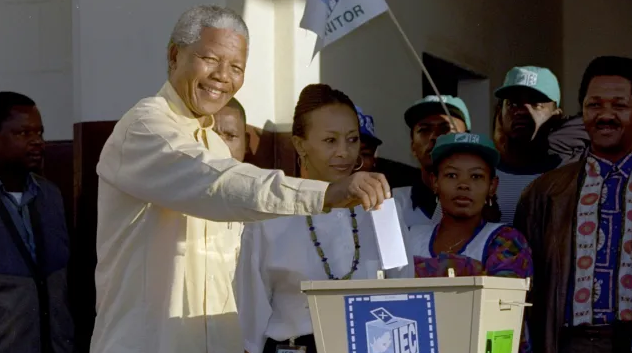
Heritage Day is more than a public holiday – it is an invitation to remember the songs, languages and communities that shaped South Africa, and the people whose courage made its democracy possible.
The country's heritage is joyful, diverse, complex and at times painful, and honouring it truthfully means making room for all of it.
South Africa's past cannot be confined to a textbook or an annual speech.
The legacy of colonialism and apartheid remains visible in unequal access to land, education, work, housing and opportunity, and in the shape of the country's cities and the long commutes many still face to reach work.
Remembering this is not about deepening division, but about understanding the past honestly enough to make real healing and change possible – a country that forgets its wounds risks repeating them.
South Africa's heritage lives in many stories woven together: in indigenous languages and praise poetry, in religious traditions, music, food, dance and art, and in the memories held by families across every province – from isiXhosa song to Afrikaans idiom, Sesotho hymn, Venda dance, Khoisan heritage, Cape Malay culture and Indian South African tradition, alongside the contributions of communities from across Africa and the world. That diversity is not something to manage or fear; it is a national strength that broadens how the country thinks, creates and solves problems.
At the heart of that shared identity is ubuntu – umuntu ngumuntu ngabantu, a person is a person through other people – a principle that ties one person's dignity to another's, and that leaves no room for complacency while neighbours go hungry, unsafe or excluded. Living it means rejecting racism, xenophobia and gender-based violence in how South Africans lead, hire, teach, trade and treat one another.
Heritage does not belong only in museums. It must live in homes, schools, workplaces and communities – passed on through family stories, taught as local history, and protected through cultural sites, artists and indigenous languages.
Heritage Day calls for celebration, but also for listening – to elders, to neglected stories, and to young people imagining the country they want to inherit.
SOURCE: Brand SA