 View notices
Unreleased teenage Bowie recordings set for release
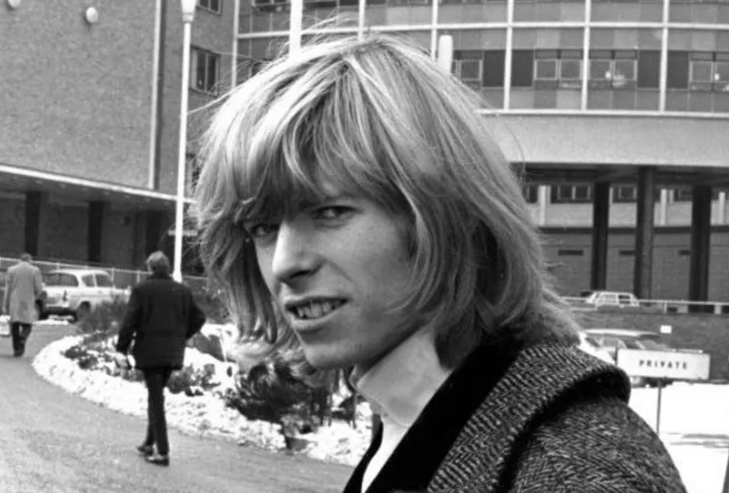
Five unreleased songs recorded by a teenage David Bowie under his birth name, Davie Jones, will be available to buy and stream from Friday, alongside five further previously unheard tracks.
Music historian and archivist Alec Palao discovered the first batch a decade ago while looking through old records and noticing faint pencil markings reading “Davie Jones”. He described the tracks as likely the rawest recordings of Bowie ever to surface, business reporter Josh Korber Hoffman writes for the BBC.
Bowie, who broke through with 1969's “Space Oddity” and went on to release 11 number-one albums, died in 2016 but remains among Britain's most recognisable cultural figures; he was named the best-selling vinyl artist of the 21st century by Music Week in 2022, ahead of the Beatles, and six of the new tracks will be issued on vinyl. Palao said the material offers a striking window into London in 1965 and the possibilities the city held for a young performer.
In the early 1960s Bowie was a teenager performing as Davie Jones in London clubs, and much of what he recorded then has been little known or presumed lost. His first professional producer, Shel Talmy – who also worked with the Kinks, the Who, Manfred Mann and the Easybeats – had kept a 1965 recording among his archive, where Palao later found the original 12-inch acetate.
That recording, the other previously unheard songs, and additional demos and remastered material make up a new posthumous album, The Shel Talmy Recordings, with a limited-edition vinyl pressing to be sold through Record Store Day and HMV.
Palao and Talmy Enterprises Incorporated licensed the album to Warner Music Group, which holds the publishing rights to decades of Bowie's catalogue following a 2022 deal with his estate; it will be released via Warner subsidiary Parlophone, with royalties paid to the estate.
Dana Gillespie, an early collaborator who met Bowie at London's Marquee Club when he was 17 and later worked with him on Ziggy Stardust, told the BBC it was wonderful that audiences could hear his early attempts to find his voice, adding that he had been intensely driven even then; she recalled him telling her, at his parents' home in Bromley, that he was determined to leave – and that he did.
The album includes a remastered version of “I Pity the Fool”, a song Gillespie recalled Bowie excitedly playing her in a listening booth near the Gioconda café on Denmark Street, once a hub of London's music scene.
Palao said the collection may offer fewer clues to what Bowie would become than a document of “absolutely pure rock 'n' roll” in its own right, while Gillespie said she was glad his earliest work had not been forgotten.