 View notices
Retrospective aims to free Roy Lichtenstein from the limits of Pop Art
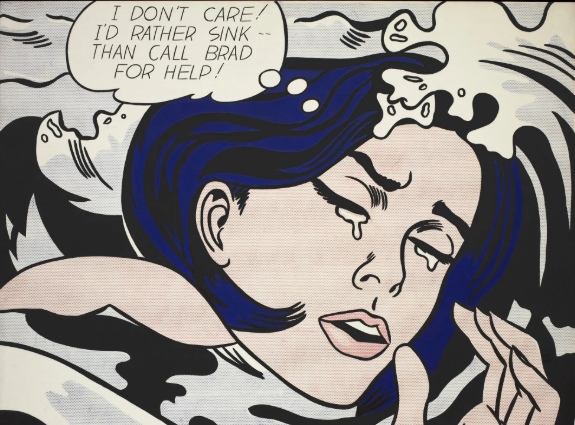
A major new retrospective of Roy Lichtenstein at the Whitney Museum of American Art is seeking to challenge the narrow view of the Pop Art pioneer as simply a painter of enlarged comic-book panels, Aruna d'Souza writes for The New York Times.
“Roy Lichtenstein: Like New”, which opens on 11 October, has been curated by artist Alex Da Corte and Whitney curator Meg Onli, drawing on a 2018 gift of some 400 works from the Roy Lichtenstein Foundation and building on the museum's acquisition of the artist's former Greenwich Village home and studio, donated by his widow Dorothy in 2022.
D'Souza writes that the pair were asked, from the outset, not to mount a conventional retrospective of an artist whose last major New York show was more than three decades ago.
Da Corte told the newspaper he had never examined Lichtenstein's work closely before being approached by the Whitney, despite its ubiquity in popular culture, and wanted to ask how the artist might wish to be reconsidered by an audience that assumes it already knows him.
His research into Lichtenstein's own interviews revealed a far more conceptual thinker than his reputation suggests, including links to the 1960s Fluxus movement and to Allan Kaprow, the artist who coined the term “happenings”.
The show also traces a tangled relationship between Lichtenstein and later appropriation artists of the Pictures Generation, including Elaine Sturtevant, who began copying his paintings almost as soon as he made them – reportedly with Lichtenstein's own stencils.