 View notices
Renaissance masterpieces stolen from Sicilian museum during Ferragosto
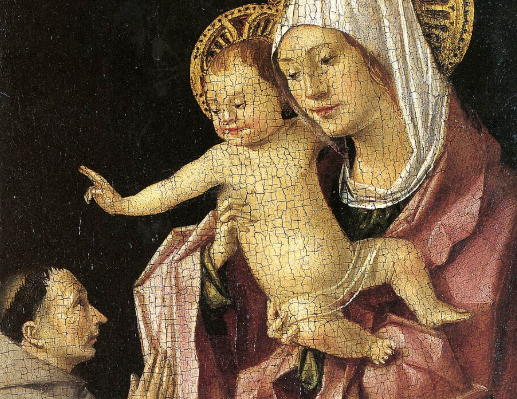
Thieves broke into a regional museum in Messina, Sicily, over the Ferragosto holiday weekend and made off with four works attributed to Renaissance master Antonello da Messina, cultural officials and Italian media have confirmed.
The raid took place at the MuMe museum on Saturday evening, with thieves reportedly bypassing the building's alarm and security systems just before 10pm. According to LaPresse news agency, they escaped with three of the five surviving panels from the San Gregorio Polyptych, dated to 1473, along with a double-sided panel depicting the Virgin Mary and the dead Christ in Pietà, which had been housed in an armoured display case.
“We are devastated by what happened,” MuMe director Marisa Mercurio said.
“They were two of Antonello da Messina's most important and best-known works. It is a tremendous loss for the museum, the city, the community and the art world,” she told the ANSA news agency, adding that the pieces were central to the region's cultural heritage.
Speaking to Sky TG24, Mercurio stressed the works' significance went beyond their artistic value.
“These are not merely works by Antonello da Messina,” she said.
“They are works that hold considerable significance in terms of our identity, as well as, of course, their artistic and cultural value, because they are works by our very own Antonello da Messina.”
Messina's top culture official, Enzo Caruso, was similarly blunt in his assessment, telling Sky the theft was “more than a loss” and amounted to “a disaster”. He said the city had effectively been robbed of a defining piece of its identity: “Messina without Antonello is deprived of the very essence of the greatest artist of the European Renaissance.”
Caruso called for the works' swift recovery.
He also pointed to the artist's growing international profile, noting that interest in Antonello's work had surged since Italy's Culture Ministry paid $14.9 million to acquire his devotional painting Ecce Homo through negotiations with Sotheby's in New York earlier this year.
However, art-crime analyst Lynda Albertson suggested the theft may prove a poor investment for those responsible. Speaking to Italian daily La Repubblica, the chief executive of the ARCA art crimes research association said the paintings' fame would make them almost impossible to sell through legitimate channels.
“Stealing an Antonello may be far easier than selling one. If these are ordinary thieves, they will soon discover that – to their cost,” she said, adding that high-profile stolen works often circulate among criminals as collateral for other illicit dealings rather than being sold outright.
The museum remained closed on Sunday while investigators gathered evidence. Neither museum officials nor Italy's Carabinieri police force were immediately available for comment.
Ferragosto, which falls on 15 August and marks the feast of the Assumption of Mary, is traditionally the peak of Italy's summer holiday season.
The theft comes only days after police in the northern city of Parma recovered three stolen works by Renoir, Cézanne and Matisse worth an estimated €10 million ($11.5 million). Five people have been detained in connection with that theft, which took place at the Magnani Rocca Foundation in Parma province on 22–23 March.