 View notices
New biography seeks to look past the pink gowns to Barbara Cartland's literary legacy
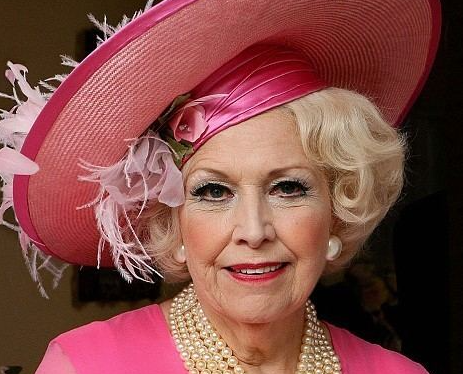
A new biography of Dame Barbara Cartland is aiming to restore critical attention to one of the best-selling authors in history, whose enormous literary output has long been overshadowed by her flamboyant public image.
Clare Thorp writes for BBC Culture that Cartland, who died in 2000 aged 98, sold an estimated 750 million books over her lifetime, placing her behind only William Shakespeare and Agatha Christie among history's best-selling authors, Thorp's report notes. Yet a quarter of a century after her death, the Englishwoman is still better remembered for her candy-pink gowns, heavy eye make-up and ever-present small dogs than for her 723 novels.
The new book, The Great Dictator: A Life of Barbara Cartland by Matthew Sweet, draws on newly accessible archives from Camfield Place, Cartland's former Hertfordshire home, and arrives as the author marks 125 years since her birth.
Sweet told the BBC that Cartland holds the Guinness World Record for the most novels published in a single year – 23, in 1976 – and described her working method of dictating up to 8,000 words a day to a secretary from her sofa.
Beyond her fiction, Thorp's report details a more complicated figure: Cartland served for a decade as a Conservative county councillor, campaigned for underpaid nurses and care-home residents, and helped establish Britain's first permanent site for the Romany Gypsy community, even as she publicly dismissed second-wave feminism.
Sweet argues that her commercial success offered millions of working-class women an escape during a period of rapid social change, cementing her place as a foundational figure in popular fiction – even if, as he put it, her readers largely “died with her”.