 View notices
Museum heists force Europe to hide its treasures
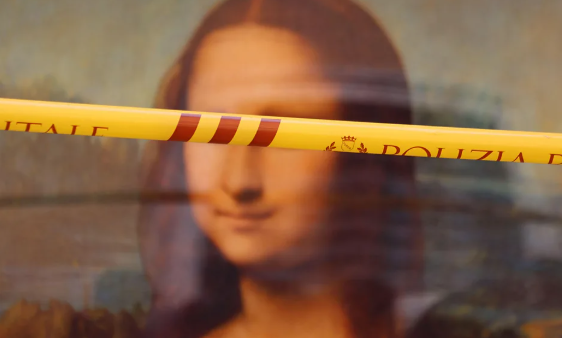
A surge in high-profile museum robberies across Europe is forcing cultural institutions to reconsider how they display their most valuable treasures, with visitors increasingly encountering replicas, empty display cases and tighter security.
At the Louvre in Paris, visitors entering the Galerie d’Apollon can still admire more than 60 metres of painted ceilings and elaborate sculptures, but the famous jewels that once filled its display cases are missing. The gallery reopened in July 2026, nine months after thieves stole France’s crown jewels in one of the most audacious museum robberies in recent memory, Bailey Berg reports for the BBC.
Surviving gemstones have since been moved elsewhere while the Louvre considers how to display them more securely.
The robbery is among several recent thefts that have raised concerns about the vulnerability of museums and the implications for visitors.
On 27 August, thieves broke into the Museum of Villena in south-eastern Spain and escaped within four minutes with Bronze Age artefacts, including bowls, bottles, bracelets and nearly 10kg of gold.
Less than two weeks later, burglars entered the Renoir Museum in Cagnes-sur-Mer on the French Riviera and stole four paintings. Two were abandoned in nearby gardens, while the others remain missing.
In July, thieves posing as ordinary visitors stole the 2,500-year-old gold torque of Vix from a museum in Burgundy.
According to Europol, museum robberies have increased sharply in recent years, with some becoming more violent.
Jean-Yves Goriou, head of Europol’s EU Organised Crime Unit, said information shared by member states showed a clear and steep increase in museum robberies since around 2022 and 2023.
Criminals have used sledgehammers and axes to smash display cases, explosives to breach entrances and firearms to intimidate museum employees and visitors. Some staff members have been assaulted or restrained.
Goriou said museums faced particular challenges because they were designed to be accessible to the public, often while operating under financial constraints.
Originals replaced by replicas
The thefts have intensified debate about whether museums should continue displaying irreplaceable originals or substitute carefully made replicas.
The Treasure of Villena, stolen in August, was particularly important to the Spanish city. The collection included Bronze Age gold, silver, amber and iron objects concealed inside a vessel for approximately 3,000 years before their discovery in 1963.
Similarly, the stolen Vix torque was the defining attraction of the Musée du Pays Châtillonnais in Burgundy. The 480g gold necklace was discovered in the burial chamber of a Celtic woman who died around 500BC.
Two accurate gold reproductions already existed before the original was stolen, one of which had previously travelled to an exhibition because the museum was unwilling to lend the authentic artefact.
Replicas have long been used to protect fragile or valuable objects, but the recent thefts have prompted renewed consideration of the practice.
France has introduced a 33-point museum-security plan that includes temporarily removing particularly vulnerable originals from public view until adequate safeguards can be established.
Some museums have already adopted similar measures. Following an armed robbery in 2024, the Musée du Hiéron in Burgundy stopped displaying its most valuable works.
In Paris, the Musée Cognacq-Jay withdrew a valuable pair of earrings from a planned exhibition, while the Musée Carnavalet substituted less valuable objects for a high-value jewel in a 2026 exhibition.
Security versus accessibility
The changes present a dilemma for museums, which depend partly on visitors’ desire to experience authentic historical objects. Guy Turton, director of global audience strategy agency MHM, said seeing an original artefact created a connection with the people who made or used it, sometimes centuries earlier.
That sense of authenticity could influence whether visitors were willing to travel and pay admission fees.
The Bayeux Tapestry provides an example of the continuing appeal of original works. Its temporary exhibition at the British Museum attracted considerable demand, with the first allocation of tickets selling out within a day.
Turton said visitors might feel disappointed if they expected an original artefact but discovered a replica without an explanation. However, clearly communicating why a reproduction was necessary could help preserve the visitor experience.
Ellie King, director of museum consultancy Crown Cultures, suggested many visitors would accept replicas if they understood that the originals were being protected from theft. Other security measures could include thicker protective glass, additional staff and greater distances between visitors and valuable objects.
Under the United Kingdom’s Government Indemnity Scheme, portable valuables such as jewellery and precious metals must be kept in locked, alarmed cases, while certain objects must be separated from visitors by at least one metre.
Security concerns are also affecting international loans of valuable artefacts. James Ferrer, a fine art and museums specialist at insurance broker Lockton, said insurers and cultural institutions were paying closer attention to security arrangements for high-profile loans.
Nevertheless, the intention remained to facilitate exhibitions rather than prevent valuable works from travelling.
Museums now face the challenge of protecting objects that have survived for centuries without undermining the public access that makes them culturally significant.