 View notices
Island life interrupted: how a volcano forced 264 souls into modernity
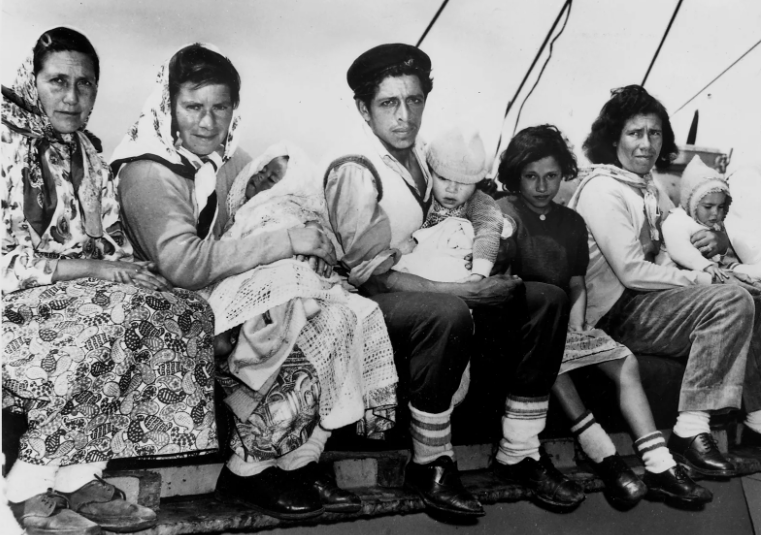
Following a sudden volcanic eruption on the remote island of Tristan da Cunha in the South Atlantic on 10 October 1961, its 264 residents were forced into a dramatic introduction to modern British life.
The tiny British outpost, situated halfway between Cape Town and Rio de Janeiro, had been dormant since it was permanently settled in 1817 by Scottish Corporal William Glass and his family, Fiona Macdonald reports for the BBC.
However, violent earthquakes and sudden ground fissures just meters from the main village, Edinburgh of the Seven Seas, forced an immediate evacuation.
The islanders escaped via fishing boats to nearby Nightingale Island before being rescued by a passing Dutch liner.
Arriving in England weeks later with only basic possessions, the community was housed at a disused military airbase near Southampton.
As Tim Brinton noted in a 1963 BBC programme, the islanders had never experienced traffic, multi-story buildings, shops, or currency, having previously lived simple agricultural lives out of touch with modern industrial progress.
Adapting to a structured nine-to-five work environment and monetary expenses proved difficult.
Resident Mary Swain recalled the hardship of adapting to British weather and the shock of modern crime after a member of their tight-knit, low-crime community was mugged in England.
Meanwhile, younger islanders found enjoyment in British trends, embracing record players, country music, and dances like the twist.
Despite the modern comforts, the community remained fiercely independent.
Following a 1962 geological survey confirming the volcano had returned to dormancy and that their homes were largely intact, a secret ballot saw an overwhelming 148-to-5 vote in favor of returning.
By November 1963, the majority of the islanders had journeyed back to Tristan da Cunha to resume their free, communal lifestyle.