 View notices
Harrison’s Booker win makes science fiction a prize-winner for the first time
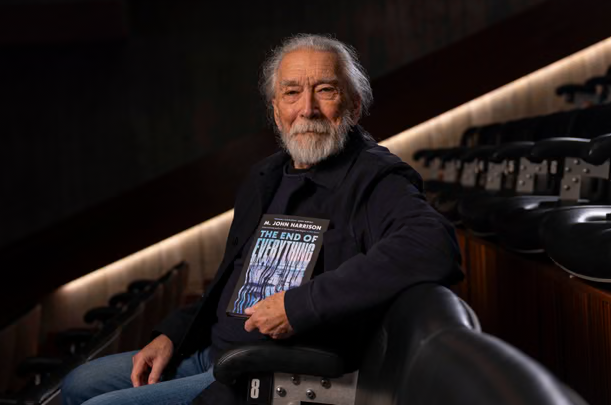
British author M John Harrison has won the 2026 Booker Prize with his post-apocalyptic novel The End of Everything, becoming the oldest winner in the award’s history.
At 81, he overtakes Margaret Atwood, who was 79 when she shared the prize in 2019, Harriet Marsden writes for The Week.
The winner was announced on 9 November at Old Billingsgate in London, and receives £50,000. The novel, published by Serpent’s Tail, beat a shortlist dominated by British writers that included the past winner Douglas Stuart.
What makes the result remarkable is where Harrison comes from. Booker winners have borrowed from science fiction before, but Gaby Wood, chief executive of the Booker Prize Foundation, said he is the first to emerge from the genre’s own world, calling the win historic. The genre has long been overlooked by the prize, The Guardian has reported.
Harrison published his first short story in 1966 and was part of the New Wave science fiction movement of the 1970s. He has spent about half a century fighting the label of genre writer, according to The Telegraph, and he dislikes labels such as science fiction and fantasy.
Wood described him as a genre-defying writer. His work is often placed under "weird literature", a category that emerged in the 1990s and blends science fiction, fantasy, satire and horror, often with a political edge.
The novel is set in a semi-gentrified seaside art town on England’s south coast, in a near future in which mysterious aliens known as the iGhetti have arrived. Its beachcomber hero, Phillip Tennent, pulls a strange creature from the sea and goes on the run with it and his elderly aunt.
The plot’s outlandish turns are told in deadpan prose, and the aliens’ origins, motives and even physical existence stay unexplained, as does the disaster that has brought society down.
Harrison told the BBC he left out as much explanation as he could so that readers share the characters’ disorientation. Mary Beard, who chaired the judges, called the book a challenging read, and it has divided opinion.
Sources: The Week, The Times, The Guardian, The Telegraph, BBC, Press Trust of India.