 View notices
From reject to riveting read – the story of a spurned classic
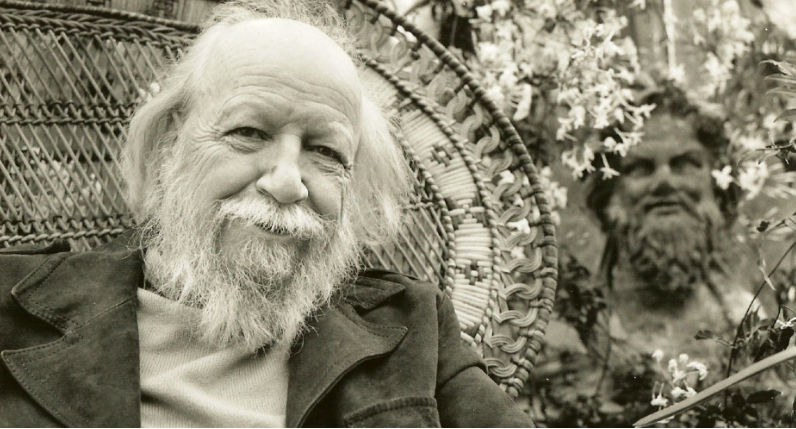
William Golding's novel Lord of the Flies was first published on 17 September 1954 and is now considered a classic, though it narrowly escaped rejection altogether, Greg McKevitt writes for the BBC.
Golding, a teacher who had witnessed the horrors of the Second World War, wrote much of his debut novel – a sinister reworking of RM Ballantyne's 1857 tale The Coral Island – by hand in school exercise books, including during lessons, with pupils occasionally set to counting how many words he had written per page. He was about to turn 43 when the book appeared.
In 1953 he sent the manuscript to nine publishers, all of whom rejected it. Faber and Faber's junior editor Charles Monteith, only a few months into the job, later recalled that it arrived as a tired, yellowing, tea-stained manuscript bound in dull brown cardboard – the classic sign, he said, of a book that had already done the rounds.
One of the firm's professional readers had already dismissed it as an “absurd and uninteresting fantasy”, marking it “rubbish and dull. Pointless.”
Monteith nearly agreed, saying he was not drawn in by the opening, but persevered and became thoroughly caught up in the story, deciding the firm had to take it seriously.
Golding was required to make substantial changes before publication, including dropping the original title, Strangers from Within. According to biographer Professor John Carey, the original manuscript was an overtly religious work, reflecting Golding's deepened faith after serving on a Royal Navy destroyer during the war; his editor's revisions stripped this back into the secular novel now widely read, with Golding, in Carey's words, conceding point after point.
Golding said the war fundamentally changed his understanding of human nature: as details of Nazi atrocities emerged, he came to believe that, given the right circumstances, anyone – including himself – was capable of similar evil, and that this left the idealistic politics of his youth looking hollow against man’s capacity for what he called “absolute evil”.
Lord of the Flies was intended as a warning that what happened in Nazi Germany could happen in any society.
Though a critical success on publication, the book only became a bestseller after its US edition and 1959 paperback release, earning Golding enough in royalties to leave teaching, a profession he admitted he was too unsystematic to enjoy. He credited his breakthrough to realising, at 37, that he had to stop imitating other writers and write his own books.
Author Stephen King discovered the novel via a mobile library as a boy after asking for something about “the way that kids really are”, and later said he was riveted because, unlike the boys’ adventure stories he knew, Golding's boys behaved like real boys.
King went on to name his fictional Castle Rock after the mountain fort in the novel, and the book's influence has since stretched from The Beach to Yellowjackets; it has been filmed twice, in 1963 and 1990, with a new BBC adaptation by Jack Thorne currently in production in Malaysia.
Golding won the Nobel Prize for Literature in 1983. He described himself simply as a storyteller who cared above all that a story had a beginning, a middle and an end.