 View notices
AI chatbot joins hunt for Nazi-looted artworks
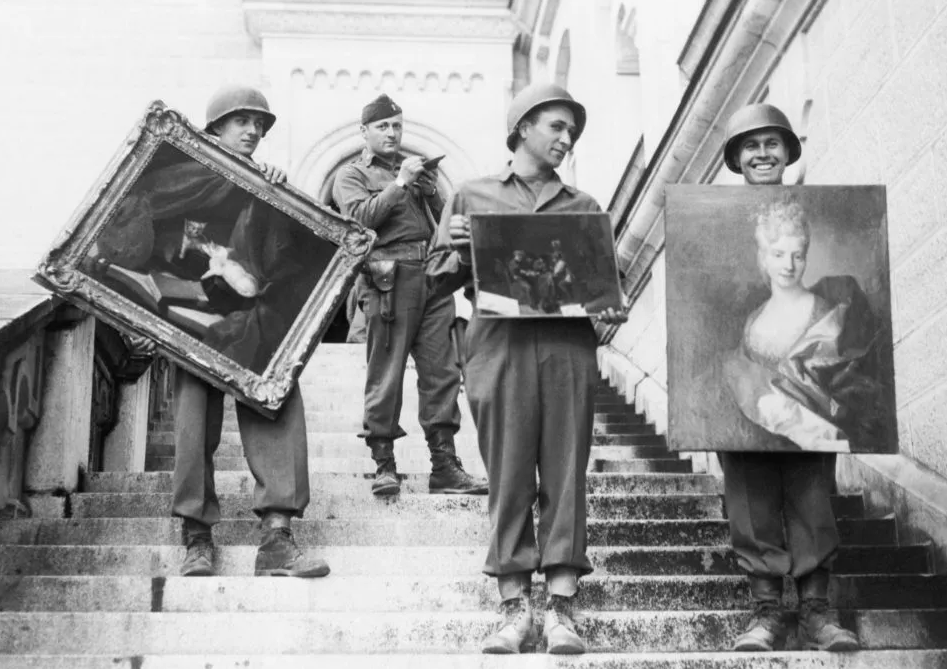
A new artificial intelligence tool designed to help trace artworks looted by the Nazis during World War II could significantly accelerate provenance research by searching fragmented historical records across multiple languages.
The A.I. Provenance Assistant was developed by researchers at California's Santa Clara University to help locate some of the estimated 100,000 artworks that remain missing after being stolen or sold under duress between 1933 and 1945, Artnet reports.
The project was inspired by efforts to recover works taken from the family of Viennese cabaret performer Fritz Grünbaum.
Unlike previous museum-led databases, which often exist in isolation, the chatbot searches multiple archival sources simultaneously, accounting for alternative spellings, related terms and translated names.
It then explains its findings in plain English, making complex provenance records more accessible to researchers.
The team initially trained the system using the ERR Project database, which documents artworks processed through Paris's Jeu de Paume Museum after being seized by the Nazis.
Researchers say they adapted existing large language models rather than building one from scratch, stressing that the tool is intended to support – not replace – provenance experts by making decades of archival material easier to explore.
SOURCE: Artnet
ORIGINAL LINK: This New A.I. Chatbot Hunts Nazi-Looted Art | Artnet News
CAPTION: Monuments Men carry paintings down the steps of Neuschwanstein Castle at Fussen, Germany, where they were a part of the collection looted by the Nazis.
PHOTO CREDIT: Getty Images.