 View notices
2026 Emmy nominations swap TV's antiheroes for ordinary people just trying to cope
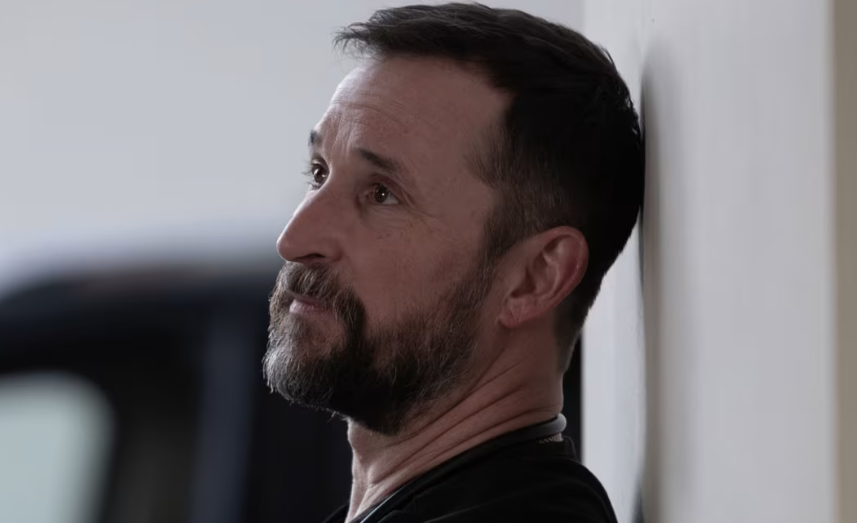
This year's Emmy Awards nominations are dominated by a very different kind of television character than the genre's so-called Golden Age produced – not morally compromised antiheroes, but ordinary people with good intentions struggling to get by in difficult times.
Ahead of Monday's ceremony at the Peacock Theater in Los Angeles, David Mack reports for CNN that many of this year's frontrunners in the major comedy and drama categories centre on characters simply trying to keep their heads above water – from the doctors on medical drama The Pitt navigating cuts and crackdowns, to the teachers of Abbott Elementary working in an underfunded public school, to Rhea Seehorn's character in Pluribus, clinging to the last vestiges of a lost world alongside a reclusive storage-facility owner.
Alan Sepinwall, the former Rolling Stone television critic who now runs the site What's Alan Watching?, told CNN that “everyone is struggling in different ways” as audiences and creators alike grapple with a sense that older certainties no longer hold.
The report also points to a wave of Emmy-nominated shows built around economic precarity – including DTF St Louis, Beef, The Bear and The Comeback – which the New Yorker's television critic Inkoo Kang has described as marking the arrival of “the age of Broke TV”.
Several nominated series, among them Hacks, The Comeback and The Pitt, also tackle the disruptive effect of artificial intelligence on their characters' industries, a theme Sepinwall said reflects “an anxiety that people in every industry are feeling”.
Mack's report contrasts this year's crop with the antihero-driven dramas – Mad Men, Breaking Bad, The Wire and The Sopranos among them – that defined television's prestige era in the 2000s and 2010s.
Brett Martin, author of the 2014 book Difficult Men, told CNN those shows were largely “made by middle-aged men who were fascinated with middle-aged men and the problems of middle-aged men”, but argued they had proven prescient about the crisis that has since taken hold: “We live, in some ways, in the world that those shows were warning us about.”
Martin suggested audiences worn out by that mode of storytelling, and unsatisfied by pure escapism, are instead gravitating toward shows that either mirror their own struggles or offer reassurance that others are working to set things right – a dynamic he sees reflected in this year's most-nominated show, the gore-heavy but ultimately hopeful medical drama The Pitt.